
Levant cotton
Gossypium herbaceum L.
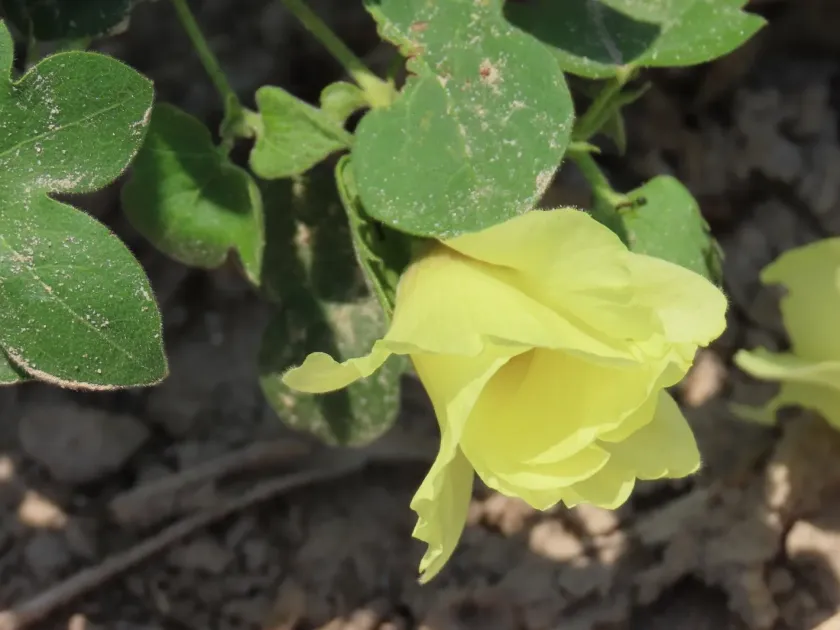
Description
Sowing dates
Levant cotton (Gossypium herbaceum L.), a member of the Malvaceae family, is typically sown when soil temperatures reach 12–14°C at seeding depth.
The sowing window is critical, usually occurring in mid-to-late spring to ensure the plant has enough time for full maturation before autumn.
Proper seed spacing and depth, usually between 4–6 cm, are essential for establishing a healthy plant density for optimal competition-free growth.
Using certified, treated seeds helps protect the young seedlings from early-season soil-borne pathogens and ensures uniform emergence.
Field preparation must prioritize a fine, weed-free seedbed to support the rapid development of the root system immediately after germination.
Growing requirements
This crop is highly thermophilic, requiring a substantial accumulation of heat units throughout the season for successful fiber development.
Levant cotton thrives in fertile, well-drained soils, although it shows better adaptation to arid conditions compared to other commercial cotton species.
While the plant is relatively drought-tolerant, supplemental irrigation during the peak flowering and boll-filling stages is necessary for high yields.
Adequate sunlight exposure is a non-negotiable requirement, as any shading can lead to stunted growth and poor flower retention.
The soil should have a neutral to slightly alkaline pH, and fields with high salinity or poor drainage should be avoided or remediated.
Yield
Achieving high yields of cotton lint depends heavily on precise nutrient management, particularly the strategic application of phosphorus and nitrogen.
Standard yields can vary, but intensive farming practices with high-quality varieties can produce significant quantities of seed cotton per hectare.
Effective weed management is essential in the early stages, as competing vegetation can drastically reduce the final yield per unit area.
Monitoring the plant's fruit load and preventing premature boll drop through stress management are key to maximizing total production.
Top-dressing fertilizers at the onset of the flowering phase helps support the massive energy demand required for fiber formation.
Main diseases and pests
The cotton bollworm is a major pest that poses a continuous threat by feeding on the reproductive structures and damaging potential lint.
Aphids and spider mites are also significant threats, often proliferating in hot, dry weather and causing severe leaf damage.
Verticillium and Fusarium wilt are the most devastating fungal diseases, which can compromise the vascular system of the entire plant.
Bacterial blight (Gommose) can affect all parts of the plant, leading to necrotic spots and reduced overall crop vigor.
- Integrated Pest Management (IPM) is recommended to control populations.
- Crop rotation is the most effective cultural practice to break disease cycles.
- Early detection and targeted treatment are vital during the bloom phase.
Harvesting
Harvesting begins when the bolls have naturally matured and opened, exposing the dry, fluffy lint ready for mechanical extraction.
Chemical defoliation is a common agricultural practice used to remove leaves before harvest, which improves machine efficiency and fiber purity.
Mechanical pickers must be carefully calibrated to ensure that the fiber is extracted without excessive debris or damage to the lint quality.
After harvesting, the seed cotton is collected and moisture content is managed to prevent fungal growth during storage and transport.
Effective post-harvest logistics ensure that the product reaches the ginning facility in optimal condition, preserving its market value.