
Anomalous cotton
Gossypium anomalum Wawra
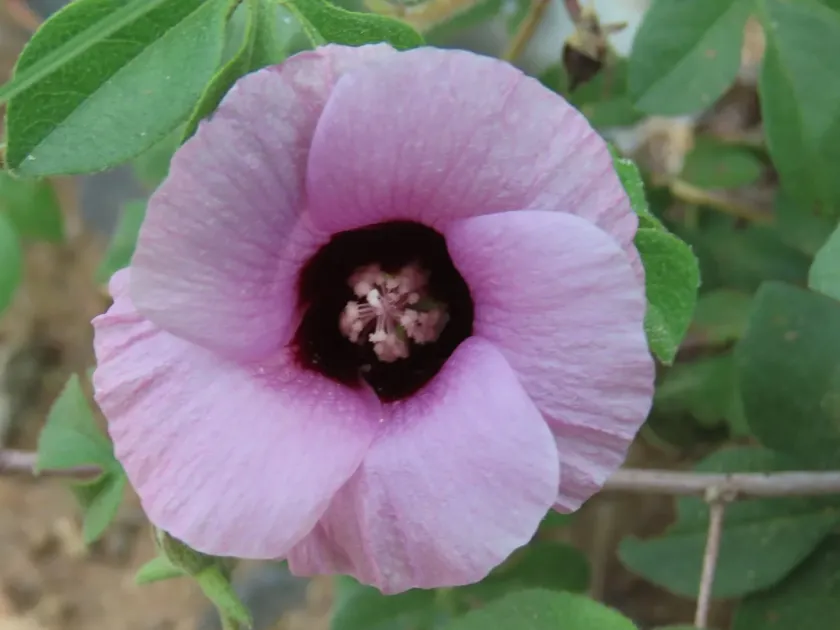
Description
Growing requirements
Anomalous cotton (Gossypium anomalum Wawra) is a wild species belonging to the Malvaceae family. It serves as a key wild relative for researchers working on improving modern cultivated cotton varieties through genetic traits.
The species is native to arid regions of Africa, specifically across the Sahel and parts of North Africa. It has evolved to thrive in harsh environments, demonstrating extreme resilience to long periods of heat and limited water supply.
The plant grows well on poor, sandy, or rocky soils, utilizing a deep taproot system to access nutrients and moisture. It requires excellent soil aeration and does not tolerate waterlogged conditions, which can be fatal for its roots.
Climatically, it demands high solar radiation and consistently warm temperatures to complete its life cycle. It is categorized as a desert or semi-desert species that maximizes its growth during the brief periods of seasonal rain.
The primary utility of Gossypium anomalum lies in its genetics rather than its fiber production. It is used in breeding programs to transfer genes for drought tolerance, pest resistance, and general hardiness into domesticated cotton crops.
Main diseases and pests
Like other cotton relatives, this species may encounter common pests such as aphids, mites, and various bollworm species. However, its tough, often hairy leaves provide a physical defense against many types of infestations.
Fungal pathogens like Verticillium wilt can pose a risk if the plant is grown in humid environments unsuitable for its natural ecological niche. Maintaining dry conditions around the canopy is essential for disease prevention.
Regular monitoring for sap-sucking insects is standard practice when maintaining this species in research botanical gardens. The use of systemic insecticides is typically avoided to protect the plant’s genetic integrity for research.
In the field, the plant shows significant natural resistance to pathogens compared to high-yielding commercial hybrids. This innate immunity is precisely why scientists are interested in studying its defense mechanisms.
Proper crop hygiene, including the removal of debris and ensuring adequate spacing between plants, is sufficient to manage most pest and disease issues. The plant remains one of the most resilient representatives of the genus.