
Klotzsch's cotton
Gossypium klotzschianum Andersson
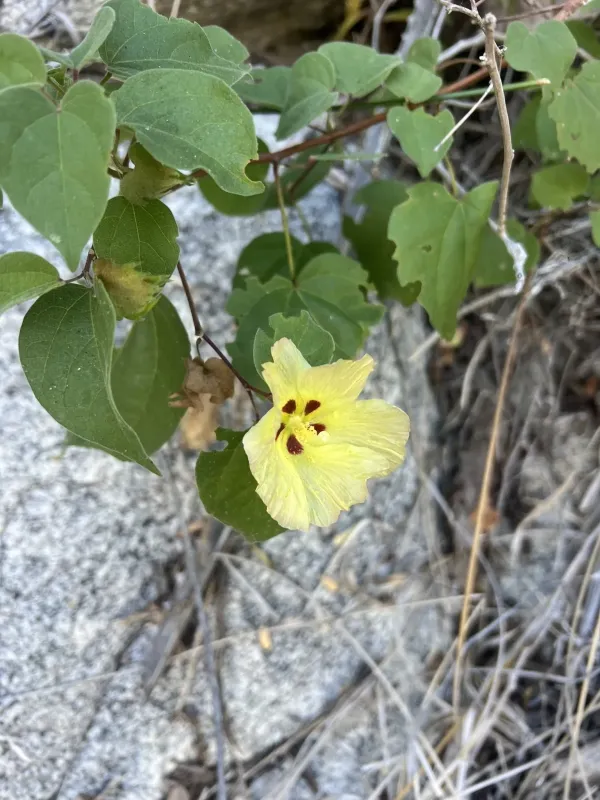
Description
Sowing dates
Klotzsch's cotton (Gossypium klotzschianum) is a wild species of the genus Gossypium belonging to the Mallow family (Malvaceae).
Unlike commercial cotton varieties, this plant is not grown on a field scale and has no established sowing schedule for agricultural production.
Propagation is primarily carried out in botanical research centers where seeds are sown in protected greenhouse environments.
The seeds require a warm substrate to initiate germination, and often benefit from pre-sowing treatments to break the seed coat dormancy.
Proper spacing and controlled light cycles are essential during the initial growth phase to ensure robust development of the plant structure.
Growing requirements
The species is native to the Galapagos Islands and coastal regions of Mexico, which dictates its preference for hot and arid environments.
This wild cotton is highly adapted to sandy or rocky soils and exhibits significant drought tolerance, making it a subject of genetic interest.
Soil requirements focus on exceptional drainage, as the species is highly susceptible to root rot if exposed to prolonged waterlogging.
The plant thrives under direct sunlight and high temperatures, needing stable thermal conditions to complete its life cycle effectively.
Cultivation attempts should prioritize environmental conditions that mimic the natural, nutrient-poor, yet sun-drenched habitats of its native range.
Yield
As a wild species, Klotzsch's cotton does not produce fiber in quantities suitable for commercial textile use compared to domesticated varieties.
The reproductive output is characterized by small bolls which contain seeds, though the amount of lint per boll is typically minimal.
Research focus is shifted away from harvest yield towards the exploration of traits related to disease resistance and environmental stress tolerance.
The primary value of this crop lies in its potential to serve as a genetic donor for traits that could improve modern agricultural cotton strains.
Monitoring fruit set and boll development is vital for conservationists interested in seed multiplication for genetic preservation programs.
Main diseases and pests
Common threats to this species in cultivation include aphids, whiteflies, and spider mites which can compromise the plant's health.
Fungal infections, often exacerbated by high humidity and poor ventilation, pose a significant risk to the plant's structural integrity.
Preventative management involves strictly controlled humidity levels and ensuring sufficient airflow between individual plants in the greenhouse.
Biosecurity measures are crucial to prevent the accidental introduction of pathogens from commercial cotton crops into this rare species' population.
Regular inspection of the foliage and stem base helps to identify early signs of infestation or infection before they reach critical levels.