
Tree cotton
Gossypium arboreum L.
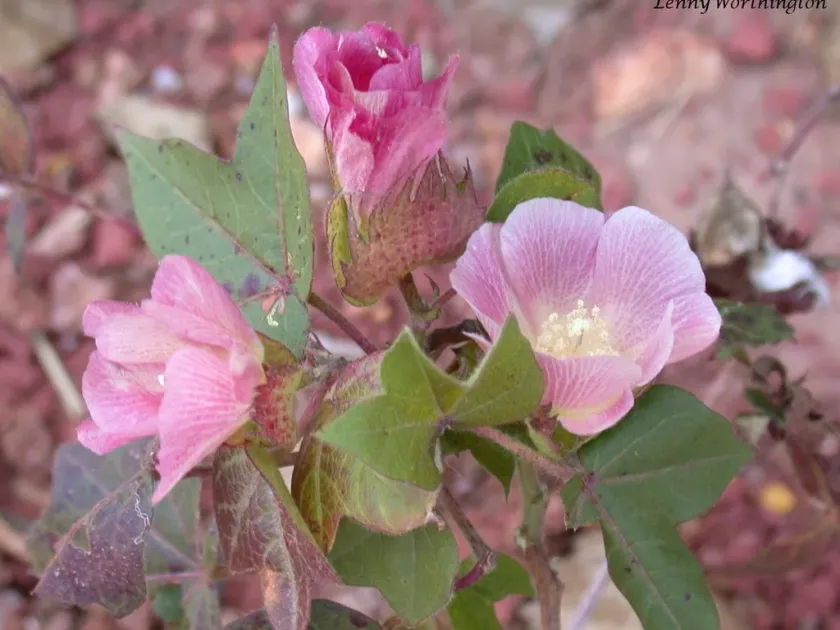
Description
Sowing dates
Tree cotton (Gossypium arboreum L.), a member of the Malvaceae family, is a perennial shrub that is often managed as an annual crop in agricultural systems. It is well-adapted to hot and arid climates where other varieties might struggle to survive.
The sowing process begins when soil temperatures consistently reach 14–16°C. Proper timing is critical to ensure that seedlings develop a strong root system before the onset of the peak heat of the summer season.
Farmers typically use a row-based sowing method, which allows for optimal plant spacing. This space is necessary because, despite being a tree-like shrub, it requires adequate aeration and sunlight to mature its cotton bolls effectively.
The crop is known for its slow initial growth phase. During this time, it is essential to keep the field free of weeds, as the young plants are easily outcompeted for nutrients and water in the early stages of development.
Seed treatment with fungicides is a common practice to protect the seeds and young seedlings from soil-borne pathogens, ensuring a uniform stand across the field, which is vital for later mechanical harvesting.
Growing requirements
Tree cotton thrives in regions with high solar radiation and significant cumulative temperatures, usually requiring over 3000–3500°C over the growing season. It is significantly more heat-tolerant than many other cotton species.
It prefers well-drained, fertile soil. While it is somewhat drought-tolerant once established, it requires consistent moisture during the flowering and boll-setting phases to produce high-quality fibers.
Waterlogging is extremely detrimental to this crop. Even brief periods of standing water can cause root rot, stunted growth, and premature fruit shedding, which significantly reduces total farm output.
The crop requires full sun exposure throughout the day. Shade caused by neighboring trees or high planting densities will lead to excessive vegetative growth at the expense of boll production.
Soil fertility management, involving balanced NPK fertilizers, is necessary to support the plant's metabolic needs, especially in soils that have been depleted by previous seasons of intensive agriculture.
Yield
The yield of tree cotton varies depending on soil fertility, moisture availability, and the specific cultivar used. Growers typically aim for yields ranging from 1.5 to 3 metric tons of raw cotton per hectare.
The main product, the cotton fiber, is valued for its durability and coarseness, which makes it ideal for traditional textile production, specialized technical fabrics, and various artisanal crafts.
Beyond fiber, the seeds are a critical economic component. They are processed to extract cotton seed oil, used in both culinary and industrial applications, and the leftover cake is a staple in livestock feed.
Modern breeding programs are focused on improving the ginning outturn (the percentage of fiber obtained from the raw cotton) and the fiber's inherent strength, making it more competitive in global markets.
Yield stability is heavily influenced by the ability to manage the late-season environment. Prolonged rainfall during the boll opening stage can damage fiber quality, making harvest timing an essential economic decision.
Main diseases and pests
The cotton bollworm (Helicoverpa armigera) and aphids represent the most significant pest threats to this crop. They can cause severe damage to reproductive structures, leading to substantial yield losses.
Diseases such as Fusarium wilt and Verticillium wilt are major concerns in many growing regions. These pathogens attack the vascular system, often resulting in sudden plant death.
Integrated Pest Management (IPM) is the recommended approach to mitigate these threats, focusing on crop rotation, the use of resistant varieties, and the selective use of bio-rational insecticides.
Bacterial blight can also affect plantations, especially in humid conditions. Managing plant residue through deep plowing after harvest is a standard technique to reduce the overwintering of these pathogens.
Maintaining a healthy, well-nourished crop is the first line of defense, as stressed plants are significantly more susceptible to both insect infestations and systemic fungal diseases.
Harvesting
Harvesting takes place once the bolls have fully opened and the fiber has dried naturally. This period requires low humidity to ensure the cotton remains clean and free of microbial contamination.
Mechanical harvesting via cotton pickers is standard for large-scale operations. It is a precise task that requires the plant to be defoliated beforehand to ensure that only the fiber is collected.
Chemical defoliants are applied shortly before harvest to remove the leaves. This process facilitates the machine's operation and prevents green plant material from staining the white cotton fiber.
Post-harvest processing involves cleaning the raw cotton to remove dirt, leaf fragments, and immature seeds before the ginning process, where the fiber is separated from the seed.
Proper storage of the harvested cotton is critical. Keeping the raw material in dry, well-ventilated areas prevents heating and mold growth, which would otherwise degrade the quality of the fiber during storage.