
Sea Island cotton
Gossypium barbadense L.
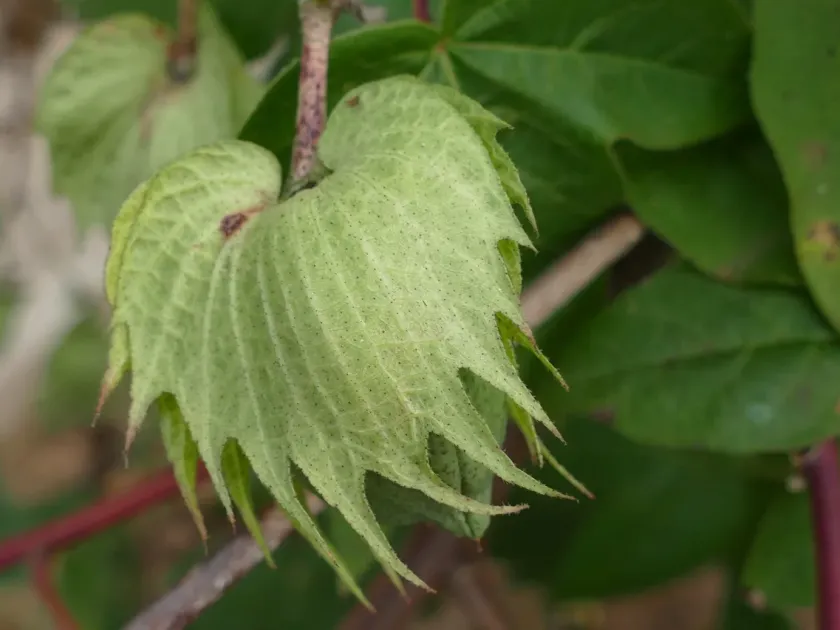
Description
Sowing dates
Sea Island cotton (Gossypium barbadense L.) is a prominent member of the Malvaceae family, widely recognized for its exceptionally long and fine textile fibers.
The planting process begins when soil temperatures consistently reach +12°C to +15°C, ensuring optimal conditions for seed germination and seedling vigor.
Effective stand establishment relies on proper row spacing and planting depth, which are adjusted based on specific soil types and local moisture levels.
As a warm-season crop, timing the sowing is crucial to avoid late spring frosts and ensure the plant has a sufficiently long growing season to mature.
Techniques such as precision planting are often employed to manage crop density, ensuring that individual plants have enough space to develop high-quality bolls.
Growing requirements
This crop thrives in warm, sunny climates that provide a long, frost-free growing period, which is essential for the slow development of its bolls.
Well-drained, fertile soils with good organic matter content are preferred to support the plant’s significant nutrient demands throughout the growth cycle.
Water management is critical; while consistent moisture is needed during early vegetative stages, dry weather is preferred as the bolls begin to open.
The plant is highly sensitive to extreme heat and cold fluctuations, requiring a stable environment to maintain its superior fiber length and strength.
A balanced fertilizer program, focusing on nitrogen, phosphorus, and potassium, is essential to sustain growth and maximize yield potential.
Yield
The yield of G. barbadense is heavily influenced by the quality of crop management and the specific variety, which is known for its premium fiber characteristics.
Global production levels are maintained through intensive farming practices that focus on optimizing fiber quality rather than just total biomass volume.
Because the fibers are significantly longer and finer than other cotton species, they command a high market value, justifying specialized agricultural inputs.
Post-harvest processing, including ginning, is vital to preserve the integrity of the long staple fibers that characterize this valuable species.
Beyond fiber, the seeds are a valuable byproduct, providing high-quality oil and meal, which contributes to the overall profitability of the cultivation cycle.
Main diseases and pests
Common agricultural pests affecting this crop include the cotton bollworm, spider mites, and aphids, which can cause significant damage to leaves and bolls.
Verticillium and Fusarium wilt are major fungal diseases that can compromise the plant's vascular system, leading to stunted growth or crop failure.
Integrated Pest Management (IPM) is strongly recommended to balance chemical treatments with biological controls, reducing the risk of pest resistance.
Crop rotation is an essential strategy for breaking the life cycles of soil-borne pathogens, ensuring long-term field productivity and soil health.
- Use of certified, disease-resistant seed varieties to minimize early-stage infections.
- Frequent scouting to detect early signs of pest infestations or fungal pathogens.
- Strategic use of canopy management to maintain airflow and reduce humidity around bolls.
Harvesting
Harvesting is typically initiated once a substantial percentage of the bolls have opened and the fiber has reached the desired maturity level.
Defoliation practices are widely used to remove leaves before harvest, which prevents staining and improves the efficiency of mechanical pickers.
Mechanical harvesting has become the industry standard, allowing for large-scale production while maintaining the quality of the harvested cotton seed.
Harvested cotton must be carefully managed to maintain low moisture levels, preventing contamination and degradation of the fiber quality during storage.
The timely transport of the harvest to ginning facilities is essential to ensure that the fiber retains its signature properties before processing.