
Tall fescue
Festuca arundinacea Schreb.
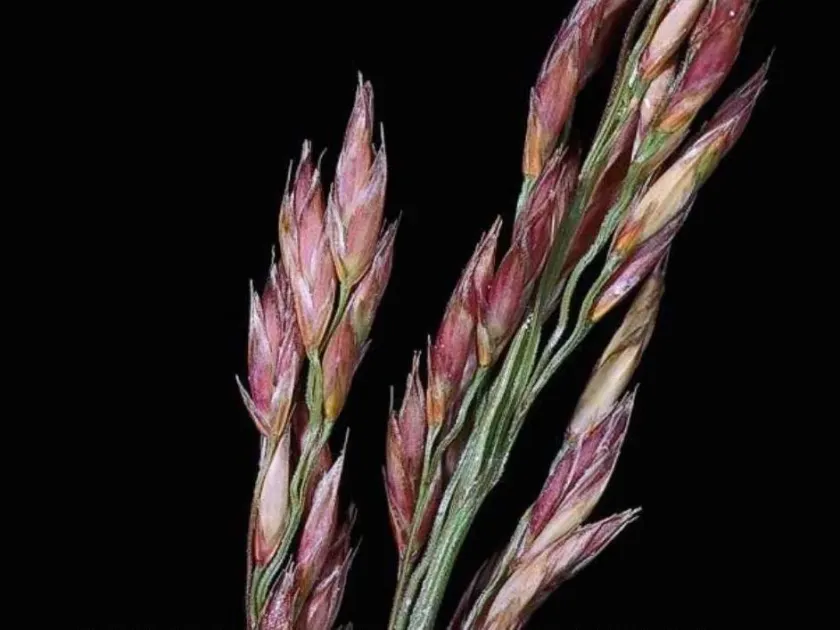
Description
Sowing dates
Tall fescue is typically sown in early spring or early autumn, providing the optimal soil temperature and moisture for seed germination.
The seeding rate varies from 15 to 25 kilograms per hectare depending on whether it is used for pastures, hay meadows, or turf applications.
For best results, seeds should be sown at a depth of 1 to 2 centimeters and covered with a light layer of soil to protect them from birds.
Rolling the soil after seeding is recommended to ensure firm seed-to-soil contact, which significantly improves the establishment rate of the grass.
When used in mixtures, tall fescue acts as a stable foundation due to its robust growth, often combined with white clover or other legumes.
Growing requirements
Tall fescue is a resilient grass in the Poaceae family, known for its deep root system and high adaptability to diverse climatic zones.
It thrives in a wide range of soil conditions, showing tolerance to both poorly drained heavy soils and slightly saline or acidic environments.
This species is highly valued for its drought tolerance once established, making it a reliable choice for regions with erratic rainfall patterns.
It requires moderate to high levels of nitrogen fertilizer to maintain its high biomass production during the active growing seasons.
While tolerant of some shade, the plant performs best in full sunlight, where it achieves maximum density and nutritional value.
Yield
The biomass yield of tall fescue is impressive, often ranging from 40 to 60 metric tons of green matter per hectare under optimal conditions.
Hay production is highly efficient, typically yielding 8 to 12 metric tons of dry matter per hectare with two or three cuts per year.
Seed yields are reliable for commercial growers, often ranging from 0.5 to 1.2 metric tons per hectare depending on cultivar selection.
The longevity of a tall fescue stand is one of its greatest assets, providing productive grazing for up to a decade if managed correctly.
Regular maintenance, including strategic fertilization, ensures consistent yield output even in aging stands that might otherwise decline.
Main diseases and pests
The plant is generally resistant to pests, but it can be susceptible to fungal diseases like rust in humid and warm weather conditions.
Insects such as grasshoppers and armyworms may occasionally cause damage to leaf tissue, requiring timely scouting and intervention.
Effective management includes maintaining a vigorous stand, which naturally outcompetes weeds and reduces the impact of minor pest infestations.
In areas prone to disease, using resistant varieties and rotating grazing schedules can significantly decrease the need for chemical applications.
Monitoring the plant density and health during the spring green-up helps in identifying early symptoms of stress or pathogen development.
Harvesting
For high-quality hay, mowing should occur just before the onset of flowering when the protein content is at its peak concentration.
Grazing management should aim for consistent biomass removal, keeping the sward at a height that encourages rapid regrowth and tillering.
Seed harvest is performed when the seed heads turn golden brown, ensuring that moisture levels are low enough to prevent heating in storage.
Stubble management post-harvest involves leaving enough height to protect the crown of the plant during the winter dormant period.
Modern equipment such as disc mowers with conditioners is preferred to accelerate drying times and preserve the nutritional quality of the forage.