
Sheep fescue
Festuca ovina L.
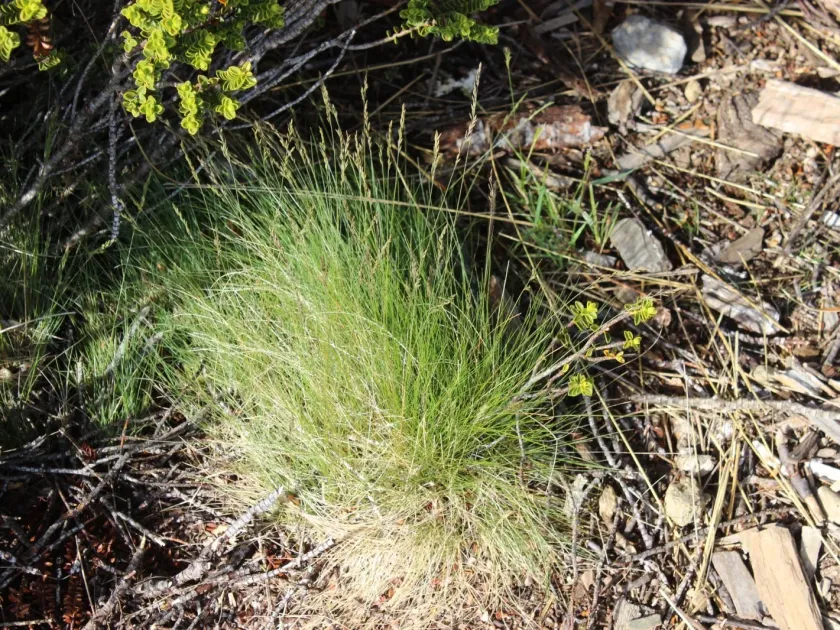
Description
Sowing dates
Sheep fescue is typically sown in early spring or late summer when soil moisture is optimal for germination. The best periods are from April to May or from mid-August to September.
The seeding rate for solid stands ranges from 10 to 15 kilograms per hectare. When used in lawn grass mixtures, the percentage of fescue seeds typically varies between 20% and 40%.
Seeds should be planted at a shallow depth of 1–2 centimeters, ensuring a firm contact with the soil. Rolling the field after sowing is recommended to improve moisture capillary action.
Establishment is relatively slow, making weed control in the first year essential for success. It is crucial to prevent the topsoil from drying out during the critical germination phase.
Once established, the plant develops an extensive root system, which ensures high survival rates even in nutrient-poor and challenging environmental conditions.
Growing requirements
Sheep fescue (Festuca ovina L.) belongs to the Poaceae family and is a typical xerophyte, perfectly adapted to poor, sandy, and dry soils. It shows remarkable ecological plasticity in various climates.
The crop prefers moderately acidic or neutral soils but thrives in low-humus substrates. It has very low mineral nutrition requirements, making it an excellent choice for low-maintenance landscaping.
Climate requirements include plenty of sunlight, as the plant performs poorly in shade. Excessive soil moisture or stagnant water often leads to the decline of the stand.
The plant is highly frost-tolerant and withstands harsh winters with fluctuating temperatures. This durability makes it a valuable species for restoring degraded pastures and preventing soil erosion.
Its native range covers most of the temperate zone in Eurasia, where it is found in dry meadows, forest clearings, and rocky slopes.
Yield
Economic use of sheep fescue is focused on creating long-lasting, low-maintenance green covers. While green mass yield is moderate, it provides a stable and reliable vegetation layer over many years.
For grazing purposes, it is valued for its nutritional density and ability to withstand intensive animal impact. The grass recovers quickly after grazing cycles.
Seed production is an important commercial aspect, providing high-quality planting material. Harvesting is performed when the panicles reach full maturity and turn a golden straw color.
Landscape applications include creating turf that is resistant to foot traffic and phytoremediation of slopes to prevent wind and water erosion.
The minimal need for irrigation and fertilization makes sheep fescue an economically viable solution for large-scale landscaping projects with limited resource availability.
Main diseases and pests
The main threats to sheep fescue are fungal diseases, such as leaf rust and powdery mildew, which thrive in conditions of high humidity or poor aeration of the grass canopy.
Root damage may be caused by soil-dwelling pests, though the plant's high tillering capacity often allows it to overcome such damage under favorable growing conditions.
Pests like cereal flies and leafhoppers can occasionally affect the foliage, potentially reducing the ornamental or nutritional value of the stand.
Competition from invasive weeds during the establishment phase is a significant concern, requiring diligent management to ensure the fescue becomes the dominant species.
Practicing proper crop rotation and ensuring good soil drainage are the most effective ways to maintain a robust immune system against common pathogens.
Harvesting
Seed harvesting is conducted via direct or split combining during the wax-ripe stage. Timing is critical to prevent significant losses due to the natural shedding of seeds.
When harvesting for hay, mowing should occur before the stems become overly lignified to ensure the highest possible nutritional content. A single mid-summer cut is usually sufficient.
After mowing, the material is left in swaths to dry naturally, which ensures better nutrient retention and prevents the development of mold or microbial degradation.
The use of specialized machinery during harvest helps minimize seed shattering, which is a common challenge due to the delicate nature of the grass stems.
Post-harvest processing involves cleaning seeds with air-screen separators and drying them to a moisture content of 12% for safe, long-term storage.