
Hard fescue
Festuca trachyphylla (Hack.) Hack.
Description
Sowing dates
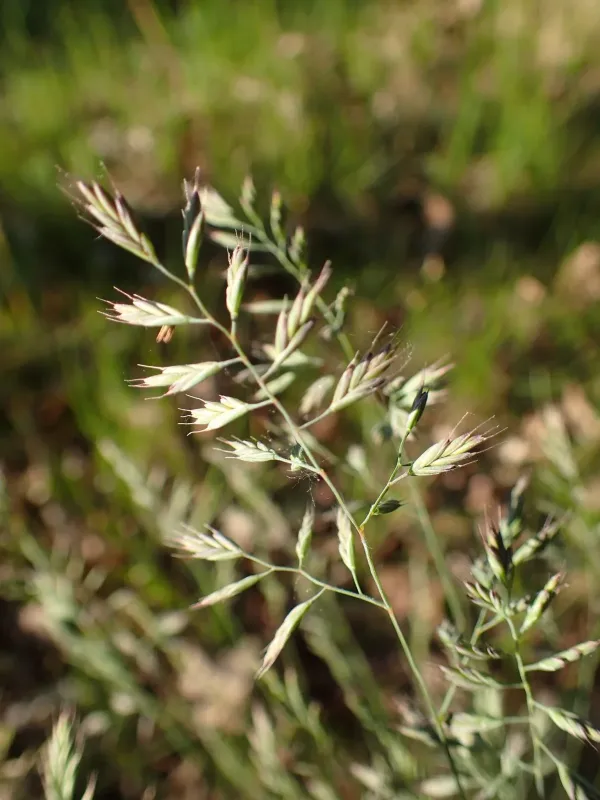
Hard fescue (Festuca trachyphylla) is a resilient, bunch-type perennial grass belonging to the Poaceae family. It is widely recognized for its fine texture and ability to form a dense, uniform stand in various environments.
The optimal sowing time is during the cool months of spring or late summer. Proper soil preparation is essential to create a fine seedbed, ensuring that seeds are planted at a shallow depth of approximately 1 to 2 centimeters.
Maintaining a consistent moisture level during the germination phase is critical. Once established, the grass is highly capable of surviving harsh conditions, but early care is necessary to achieve successful coverage.
The seeding rate can vary depending on whether the primary goal is pasture development, erosion control, or ornamental landscaping. It is often used in seed mixtures to improve the longevity and persistence of the sward.
After seeding, rolling the field helps ensure optimal seed-to-soil contact. This practice promotes faster germination and uniform development across the entire seeded area.
Growing requirements
Hard fescue is highly valued for its drought tolerance and cold hardiness. It thrives in regions where other cool-season grasses might struggle, making it an excellent choice for low-maintenance areas.
The species is well-adapted to a wide range of soil types, including poor, acidic, or rocky soils. It performs best in well-drained conditions and does not tolerate long-term waterlogging or swampy environments.
This grass species prefers full sunlight but exhibits a notable ability to tolerate partial shade. This versatility makes it ideal for planting under tree canopies or on the north sides of buildings.
Fertilizer requirements for hard fescue are generally low compared to other agricultural grasses. Excessive nitrogen may lead to rapid, succulent growth that is more susceptible to environmental stress and diseases.
Management practices, such as minimal mowing, help maintain the health and vigor of the plants. It is a slow-growing grass, which reduces the frequency of necessary maintenance tasks for the grower.
Main diseases and pests
The most common disease issues for hard fescue include leaf spot and powdery mildew. These diseases are particularly prevalent in regions with high humidity and poor air circulation around the plants.
Root pathogens can affect the long-term viability of the stand, particularly in compacted soils. Proper soil aeration and management are recommended to maintain robust root systems and prevent rot.
Insects like grubs and sod webworms can cause significant localized damage. Regular monitoring of the stand is crucial to identify pest activity before it leads to large, dead patches in the field.
Weed management during the establishment phase is vital. Since hard fescue is a slow grower initially, it may be outcompeted by aggressive weeds if the field is not kept clean during the first season.
Integrated pest management strategies should be employed to control threats while preserving the overall ecosystem. Chemical interventions should only be used when biological or cultural methods are insufficient.