
Sprawling fescue
Festuca rupicola Heuff.
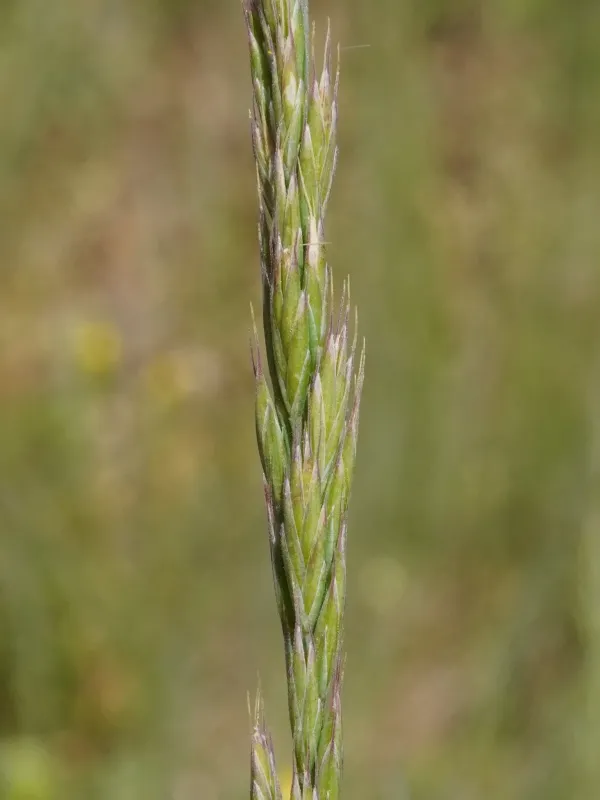
Description
Sowing dates
Sprawling fescue is a long-lived perennial grass that is best sown in the spring as soon as soil temperatures reach 8-10 degrees Celsius. This timing ensures that young plants establish a robust root system before the onset of stressful summer heat.
Seed depth is critical for this species and should be maintained at approximately 1 to 2 centimeters. Using a seed drill followed by light rolling ensures excellent seed-to-soil contact, which is vital for uniform germination in varied terrain.
During the first year of growth, sprawling fescue develops slowly. Therefore, keeping the field free from aggressive weeds during the establishment phase is essential for the long-term success of the stand.
Autumn sowing is also an option in milder climates, allowing the seeds to germinate early the following spring. This practice is often used to get ahead of the weed cycle and utilize winter moisture for initial development.
For pasture mixtures, the seeding rate should be adjusted based on the proportion of other species in the mix. Consistent maintenance of the seedling stand will lead to a dense, erosion-resistant cover within two seasons.
Growing requirements
As a natural xerophyte, sprawling fescue is uniquely adapted to thrive in dry, rocky, and low-nutrient soils. It is an ideal candidate for revegetating degraded or infertile land where other forage crops would typically fail.
The species prefers well-drained soils, including light loams and sandy substrates. It shows high tolerance for acidic conditions and can withstand environmental stresses that would inhibit the growth of more sensitive grass species.
The root system of Festuca rupicola is both extensive and deep, providing excellent soil binding properties. This makes the plant highly effective in preventing slope erosion and stabilizing fragile landscapes.
Temperature extremes are well-tolerated by this species. It remains dormant during harsh winter conditions and exhibits remarkable resilience to early spring frosts, ensuring consistent productivity year after year.
Its natural habitat ranges from sunny open grasslands to rocky outcrops. It thrives in full sunlight and makes efficient use of spring moisture to build its biomass, which later persists even in intense heat.
Yield
The yield of sprawling fescue is moderate but extremely stable over time. Because it is a low-growing grass, it is primarily valued for its durability and the quality of forage provided throughout the grazing season.
In intensive forage systems, it is often sown in polycultures. Combining it with legumes or other grasses improves the overall nutritional profile of the hay and balances the slower initial growth rate of the fescue.
Pasture utility is the primary economic use for this species. It is highly resistant to trampling by livestock, making it a reliable choice for managed grazing systems where consistent traffic is expected.
The nutrient content, particularly regarding fiber and protein, is excellent for maintenance diets of sheep and cattle. Its ability to retain quality late into the season provides a valuable extended grazing resource.
Maximum stand productivity is usually achieved by the third year. Once established, the dense sod effectively crowds out competing weeds, ensuring a clean and productive forage crop for many years of agricultural use.
Main diseases and pests
Sprawling fescue possesses a high level of natural immunity to most common grass pathogens. Its evolution in harsh steppe environments has resulted in strong resistance to rusts and other fungal leaf infections.
While some grain-feeding insects might occasionally visit the crop, they rarely cause economic damage. The robust, somewhat wiry leaf structure of the plant acts as a deterrent to many common insect pests.
Weed competition is the greatest threat during the early seedling stage. Once the root system is established, the grass is highly competitive and effectively suppresses invasive species in the meadow or pasture.
Overgrazing is a potential threat to the longevity of the stand. While the plant is durable, maintaining an appropriate rest period between grazing cycles is necessary to allow the plants to replenish energy reserves.
The plant is generally resistant to rodent damage, though caution is advised in areas with high pest density. Proper site selection and avoiding waterlogged soils will keep the plants healthy and resilient against biological threats.
Harvesting
When harvesting for hay, the ideal timing is at the onset of the flowering stage. This provides the best balance between biomass yield and the nutritional quality required for livestock winter feed.
For grazing management, rotational stocking is recommended. This allows for sufficient recovery time, which stimulates the growth of new tillers and maintains the density of the pasture stand over several years.
Seed harvest should be timed carefully as the panicles turn straw-colored. Because the seeds are prone to shattering if left too long, swift collection using a combine or manual harvester is necessary for optimal recovery.
Drying hay to a moisture content of around 15% is standard practice. Properly cured hay retains its color and palatability, making it a high-quality forage source for livestock during the non-growing season.
When mowing, maintaining a cutting height of at least 5 to 7 centimeters is crucial. This leaves enough green leaf tissue for rapid regrowth and protects the crown of the plant from damage during the harvest process.