
Creeping Red Fescue
Festuca rubra L. subsp. pruinosa (Hack.) Piper
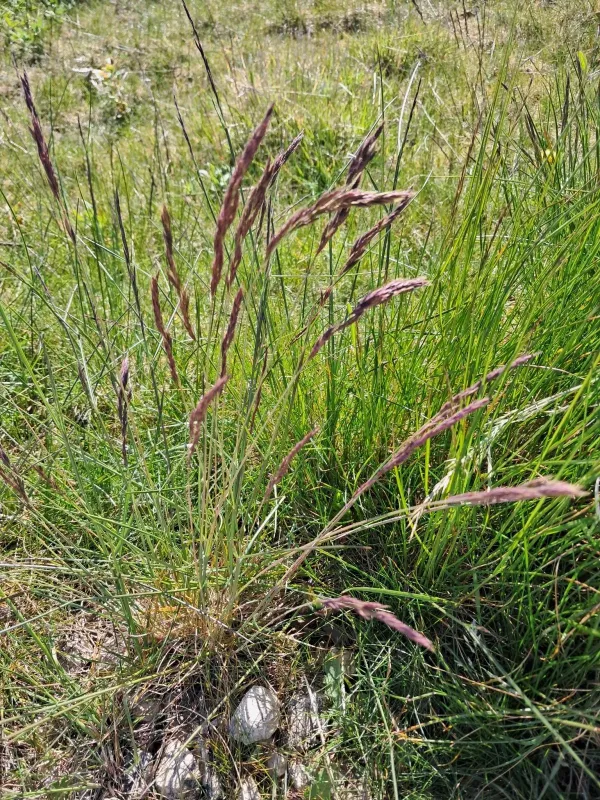
Description
Sowing dates
Sowing of Creeping Red Fescue is ideally performed in early spring or late summer to ensure the plants establish their root systems before extreme temperatures. The seeds require a well-prepared seedbed, free of debris and large clods, for uniform emergence.
The recommended seeding rate is typically between 20 to 35 kilograms per hectare, depending on the intended use. Proper spacing between rows, if planting for seed production, facilitates easier mechanical maintenance and weed control throughout the growing season.
Seeds should be covered with 1 to 2 centimeters of soil and lightly compacted using a roller to enhance soil-to-seed contact. This practice is crucial for moisture retention and prevents the seeds from being washed away or drying out prematurely.
Germination usually takes about two to three weeks under favorable moisture and temperature conditions. During this period, it is vital to keep the surface layer consistently moist to support the developing radicles of the seedlings.
Young stands should be monitored for weed competition, as the initial growth rate of the grass is relatively slow. Early intervention with mechanical weeding helps the fescue establish a competitive advantage and form a dense, healthy stand.
Growing requirements
Creeping Red Fescue belongs to the Poaceae family and is recognized for its high tolerance to saline conditions. This makes it an ideal plant for coastal areas where soil salinity levels would be detrimental to most other turf and forage species.
The plant thrives in well-drained, sandy or loamy soils with a pH ranging from 5.5 to 7.5. It exhibits exceptional adaptability to various environmental conditions, including poor nutrient availability, due to its efficient and deep root architecture.
As a sun-loving plant, it requires full or partial sunlight to maintain its vigor and deep green color. While it prefers adequate rainfall, its drought-resistant nature allows it to survive extended dry periods by entering a semi-dormant state.
The species is highly winter-hardy, capable of withstanding freezing temperatures without suffering significant damage to its crown. This resilience makes it suitable for Northern temperate climates where other grasses struggle to survive the harsh winter season.
Its ability to form a dense underground network of rhizomes helps in soil stabilization and erosion control. This attribute is extensively utilized in landscaping and restoration projects, particularly on slopes and unstable terrain prone to erosion.
Main diseases and pests
Common diseases affecting this fescue include Red Thread and various leaf spot pathogens, which are more prevalent under conditions of high humidity and poor air circulation. Proper management of soil moisture and nutrition can effectively mitigate these risks.
Pests such as cutworms and white grubs are the primary threats, as they feed on the root and crown tissues. Controlling these populations is essential, especially in newly established areas where the plants are most vulnerable to physical damage.
Integrated pest management, including regular mowing to remove infected tissue and the use of targeted biological controls, is highly recommended. This approach keeps the ecosystem balanced and reduces the need for frequent chemical interventions.
Over-fertilization with nitrogen should be avoided, as it encourages soft, succulent tissue that is more susceptible to fungal infections. A balanced fertility program focuses on gradual nutrient release to build long-term plant resilience.
Regular inspection of the fields allows for early detection of pest activity and disease outbreaks. Prompt action, whether it is physical removal of weeds or localized treatment, helps maintain the health and uniformity of the entire crop stand.