
Rat's-tail fescue
Festuca myuros L.
Description
Growing requirements
Rat's-tail fescue (Festuca myuros L.) is an annual grass species belonging to the Poaceae family. It is recognized for its ability to thrive in poor, sandy, and nutrient-deficient soils where many other grass species would fail to establish.
Originally native to the Mediterranean and Western Europe, it has expanded its range across various temperate regions globally. The species is highly adaptable, often appearing in disturbed soils, pastures, and agricultural fields as a natural colonizer.
The plant demonstrates low soil requirements, preferring well-drained habitats. Its phenology is optimized for rapid growth in early spring, allowing it to complete its life cycle and seed production before the onset of extreme summer temperatures.
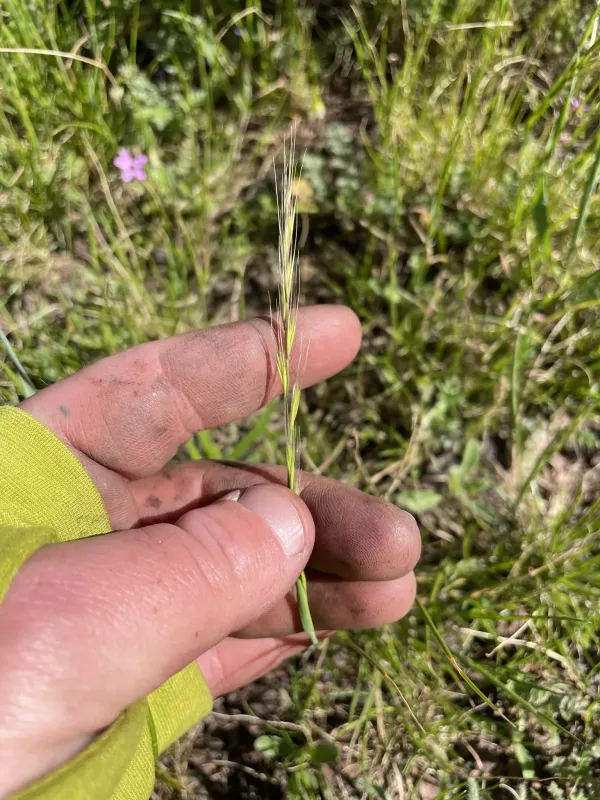
Botanically, it is characterized by slender, linear leaves and narrow, often curved panicles resembling a mouse's tail. The plant typically reaches heights between 10 and 50 cm depending on nutrient availability and competition.
In agricultural practice, Festuca myuros is valued for its soil-binding properties in erosion-prone areas, though it is frequently managed as a competitive weed in cereal cropping systems when control measures are neglected.
Main diseases and pests
The crop is susceptible to various fungal pathogens, with rust diseases being the most common, especially in environments with high humidity and moderate temperatures.
Pests such as cereal aphids and various grass-feeding flies can pose significant risks during the elongation and reproductive phases, reducing both biomass and seed yield.
Powdery mildew is another notable threat, particularly when stand density is high, leading to reduced air circulation and creating favorable conditions for fungal growth.
Root rot pathogens may jeopardize seedlings during prolonged periods of waterlogging, which is a critical stress factor in the early stages of establishment.
Effective management includes regular monitoring for early signs of infection and the use of integrated pest management strategies to maintain the health of the stand.