
Hard fescue
Festuca longifolia Thuill.
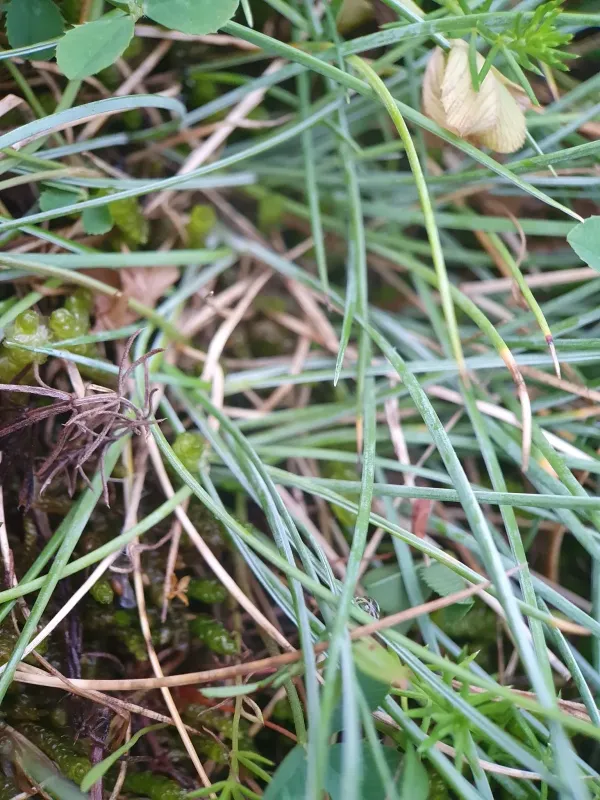
Description
Sowing dates
Hard fescue is usually sown in the spring, once the soil temperature reaches 8–10 degrees Celsius. The optimal planting time is between mid-April and early May, allowing the seeds to utilize soil moisture from winter snowmelt effectively.
Late autumn sowing is also permitted, performed after the onset of consistent freezing temperatures. This provides natural stratification for the seeds, ensuring uniform emergence the following spring.
The seeding rate depends on the intended use, typically ranging from 20 to 35 kilograms per hectare for dense stands. Proper seed placement at a depth of 1–2 centimeters is critical to prevent desiccation.
For large areas, mechanical seeding using drills equipped with press wheels is recommended. Compaction after sowing is a necessary step to ensure close contact between the seeds and the soil matrix.
Seedlings typically emerge within 14–21 days, depending on environmental factors. During this stage, it is vital to monitor soil moisture and prevent seed displacement caused by heavy precipitation.
Growing requirements
This crop belongs to the Poaceae family and is a perennial grass known for its high ecological plasticity. It thrives in poor, sandy, and rocky soils where other grasses often struggle due to nutrient deficiencies.
The plant is distinguished by its high drought and winter hardiness. It can withstand extended dry spells thanks to a deep, extensive root system that accesses subsoil moisture.
Hard fescue prefers sunny locations but can tolerate light shade. It performs poorly in waterlogged areas and requires sites with excellent drainage to maintain health.
The plant is undemanding regarding soil pH, growing across a wide range of acidity levels. However, it forms a denser and more aesthetically pleasing turf on neutral to slightly acidic soils.
Agronomic management includes moderate spring nitrogen applications to stimulate green mass growth. Excessive organic fertilizer should be avoided, as it can cause lodging and promote root rot pathogens.
Main diseases and pests
The crop possesses natural resistance to most fungal diseases affecting grasses. However, poor agronomic practices or excessive soil moisture can lead to the development of leaf rust.
On rare occasions, stands may be affected by powdery mildew, particularly during periods of high humidity and sharp temperature fluctuations. Prevention focuses on maintaining appropriate stand density and ensuring proper drainage.
Among pests, white grub larvae (scarab beetle larvae) are the most dangerous, as they feed on the root system. Infestations may require the application of appropriate soil insecticides.
Cereal flies can also cause damage by attacking young shoots during the tillering stage. Marginal treatments are recommended if localized outbreaks of these pests are detected.
General prophylactic measures include regular mowing, which helps reduce the inoculum level and promotes rejuvenation of the grass clumps.
Harvesting
Economic use of hard fescue is primarily focused on turf installation and slope stabilization, so traditional harvesting is rarely performed. If seed production is required, direct combining is the standard method.
Seeds reach maturity in mid-summer. It is essential to harvest at the correct stage of physiological ripeness to prevent seed shattering caused by wind or rain.
Mowing for seed is conducted when grain moisture is below 20 percent. Following harvest, the material must be dried using mechanical blowers or spread on drying floors to reach safe storage moisture levels.
Cleaning is performed using industrial seed graders with calibrated screens. High purity of the seed lot is essential to ensure maximum germination rates in subsequent seasons.
Storage should take place in dry, well-ventilated areas in bags or bulk containers. Under optimal conditions, seed viability and vigor are maintained for 3–5 years.