
Couch grass
Elymus repens (L.) Gould
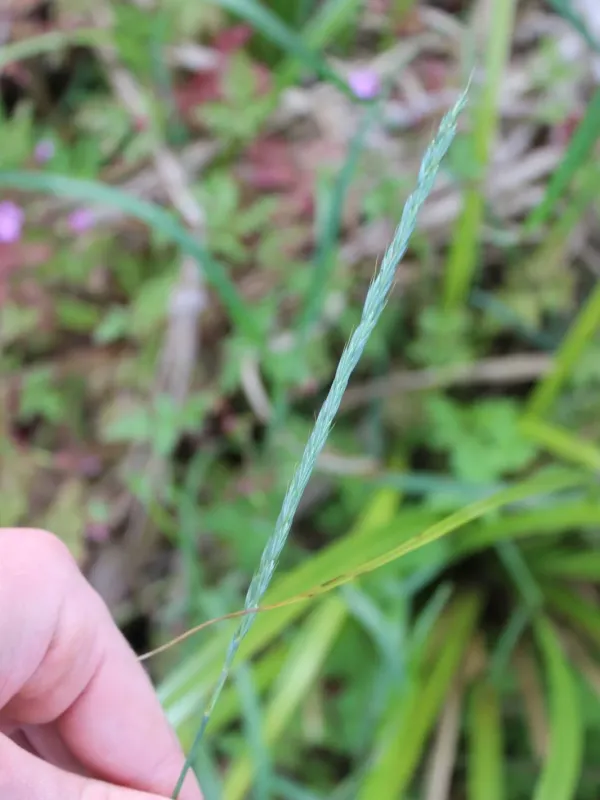
Description
Sowing dates
Couch grass is a perennial rhizomatous grass that typically spreads through vegetative growth, making it a highly resilient plant in various agricultural ecosystems.
When used in managed grasslands, seeding is performed in early spring by placing seeds at a depth of 1–2 centimeters to ensure optimal soil contact and moisture absorption.
Preparing a clean, fine-textured seedbed is essential to minimize competition from other plant species during the critical early stages of crop development.
Seeds germinate effectively when soil temperatures reach 8–10 degrees Celsius, leading to rapid development of the root system and initial leaf production.
The standard seeding rate ranges from 10 to 15 kilograms per hectare, depending on the desired density and the inclusion of other companion forage species.
Growing requirements
As a member of the Poaceae family, couch grass is renowned for its remarkable environmental plasticity, allowing it to colonize diverse landscapes.
The plant performs well in a wide range of soil types, including heavy clays and sandy soils, demonstrating significant tolerance to varying levels of acidity and salinity.
Its deep, creeping rhizomes provide excellent drought tolerance, as the plant can access moisture reserves from deeper soil horizons during dry weather.
Couch grass thrives in full sunlight, though it remains productive even in partial shade, adapting its growth pattern to the available light conditions.
Cold hardiness is one of its primary characteristics, as the root system survives severe winter frosts and dormant periods without losing viability.
Yield
Couch grass is considered a valuable forage resource, capable of producing multiple cuts per season under favorable climatic conditions and nutrient management.
Annual yields of dry matter can reach 4–6 tons per hectare, providing a reliable source of protein-rich hay for cattle and other ruminants.
The nutritional profile is highest when harvested at the vegetative stage, offering good digestibility and an excellent balance of essential minerals.
Response to nitrogen fertilizer is highly positive, resulting in rapid biomass accumulation and the formation of a dense, competitive grass sward.
Managed grazing or periodic cutting encourages tiller production, which helps maintain high yields over several years of productive use.
Main diseases and pests
Common fungal diseases such as rusts, powdery mildew, and smuts can affect plant health, particularly in warm and humid weather conditions.
Pests like grain aphids and various cereal beetles may attack the foliage, necessitating integrated management strategies to protect the crop's vigor.
Rhizome-feeding insects can cause damage, although the plant's robust regenerative capacity often allows for quick recovery after minor pest outbreaks.
Disease management focuses on ensuring adequate air circulation and avoiding over-fertilization, which can create a favorable environment for fungal pathogens.
Monitoring for signs of infestation is crucial during the early growing season to maintain the quality and quantity of the forage mass produced.
Harvesting
Harvesting for high-quality hay should take place during the early heading stage, before the stems become overly fibrous and lignin content increases.
Utilizing disc mowers equipped with conditioners accelerates the drying process, ensuring the forage retains its color and nutritional value during baling.
For silage production, the crop should be harvested and chopped at the optimal moisture level to facilitate effective compaction and fermentation.
Effective storage methods, such as wrapping or keeping forage in dry barns, prevent spoilage and ensure the feed remains palatable for livestock consumption.
Following harvest, a light fertilizer application can stimulate regrowth, providing a secondary harvest or grazing opportunity later in the season.