
Slender wheatgrass
Elymus trachycaulus (Link) Gould ex Shinners
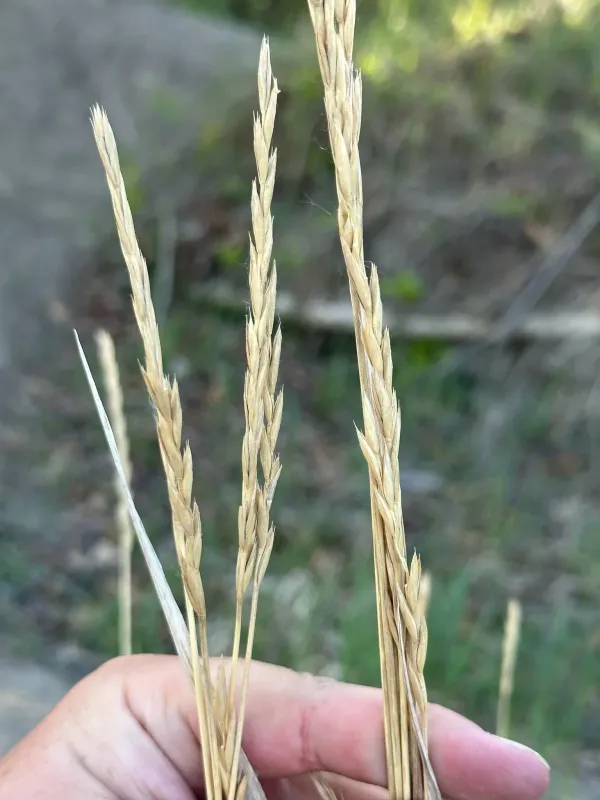
Description
Sowing dates
Slender wheatgrass (Elymus trachycaulus) is a cool-season perennial bunchgrass that is highly regarded for its rapid establishment compared to other native species. Sowing should ideally occur in early spring or late autumn when soil temperatures favor seed germination.
The optimal seeding depth is between 1 and 2 centimeters, ensuring sufficient soil contact while allowing the seedling to emerge efficiently. A firm seedbed is essential for achieving uniform stand establishment across the field.
Seeding rates typically range from 8 to 12 kilograms per hectare, depending on the desired plant density and the competitive environment. Broadcasting with subsequent harrowing or drill seeding are the most common methods used for large-scale planting.
The plant demonstrates high initial vigor, which helps in suppressing annual weeds during the early stages of growth. Proper weed management before sowing is, however, highly recommended to minimize competition.
Given its ability to germinate at cooler temperatures, slender wheatgrass is an excellent candidate for early-season restoration projects in northern climates where other species might remain dormant.
Growing requirements
Slender wheatgrass is exceptionally well-adapted to a wide variety of environmental conditions. It thrives in well-drained loamy to sandy soils but is capable of growing in heavy clays, provided there is no long-term waterlogging.
The species is moderately drought-tolerant once established, making it suitable for semi-arid regions. It performs best in areas receiving moderate annual precipitation, though it shows remarkable resilience to variable weather patterns.
It possesses excellent cold hardiness and is often used in high-elevation revegetation projects. It can withstand significant temperature fluctuations without suffering damage, which is a key trait for its success in alpine environments.
Nutrient requirements are modest compared to modern cereal crops. Nitrogen application in the spring can significantly boost vegetative biomass production, while phosphorus supports robust root system development.
The species is tolerant to slightly saline conditions, making it useful in soil reclamation efforts where other more sensitive forage grasses might fail to survive or produce sufficient cover.
Yield
The forage yield of slender wheatgrass is significant, especially in its first few years of growth. It is often harvested for high-quality hay or used for managed grazing, providing a good source of digestible protein and energy.
Under favorable moisture conditions, the yield can reach 3 to 5 metric tons of dry matter per hectare. The nutritional quality peaks during the boot stage, making it an ideal time for harvesting.
Seed production is consistent, and the grass is known for being relatively easy to harvest with standard combines. Farmers often manage dedicated seed production plots to maintain high-quality supplies.
Though it is a shorter-lived perennial compared to some other wheatgrass species, its rapid production provides immediate value to livestock producers who need quick results in land improvement.
Yield stability is maintained through periodic rejuvenation, such as light discing or fertilization, which helps prevent the stand from becoming root-bound and thinning over time.
Main diseases and pests
While generally hardy, slender wheatgrass can be susceptible to various leaf rusts and powdery mildew, especially in areas with poor air circulation or consistently high humidity during the growing season.
Pest issues like grasshoppers or aphids can occasionally arise, particularly in hot and dry years. Monitoring and appropriate integrated pest management strategies are sufficient to protect the crop.
Management practices, such as preventing overgrazing, are essential for maintaining plant health. Weakened plants are significantly more susceptible to pathogens and weed encroachment.
Ensuring that the stand is not overly dense helps to mitigate the spread of fungal diseases. Good management includes mowing or grazing to prevent the buildup of old thatch, which can host pests.
In most commercial applications, chemical intervention is rarely required if proper rotational grazing and soil fertility management practices are followed consistently.
Harvesting
Harvesting for hay should be timed precisely at the early bloom stage to capture the best balance between biomass quantity and protein content. Delaying the harvest leads to lignification and reduced palatability.
For seed collection, harvesting should be performed when seeds are in the mid-to-late dough stage. Using specialized equipment to minimize seed shatter is critical for maximizing harvested yields.
Proper drying is required before storing the hay to prevent mold growth. Moisture levels in baled forage should be kept below 15% to ensure long-term stability and quality during storage.
Following harvest, the aftermath or "stubble" can provide late-season grazing, though it is important to leave enough growth to allow the plant to recover and store nutrients for the winter.
By following these best practices, producers can ensure a high-quality forage product that meets the dietary needs of cattle, sheep, and horses throughout the winter months.