
Couch grass
Elymus repens (L.) Gould subsp. repens
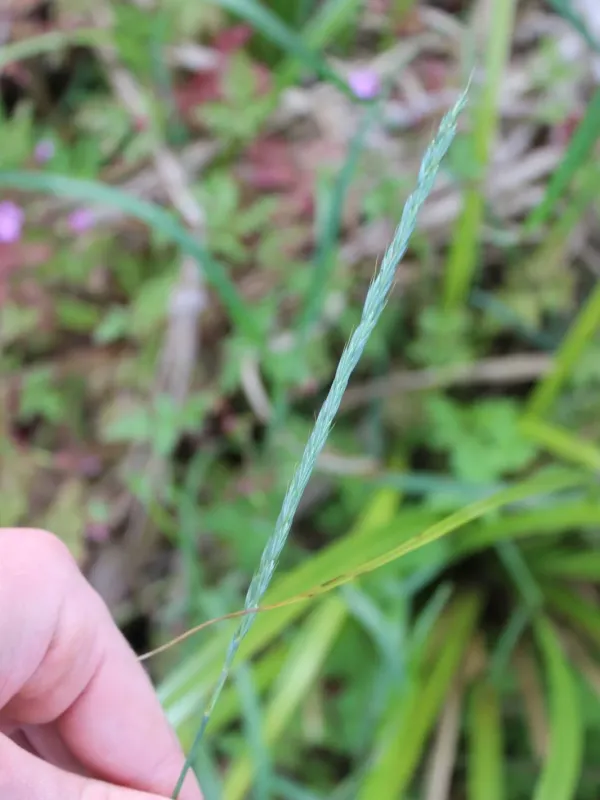
Description
Growing requirements
Couch grass, scientifically known as Elymus repens, is a perennial grass species belonging to the Poaceae family. It is widely recognized as a tenacious agricultural weed due to its extensive and vigorous rhizome network.
The plant demonstrates remarkable adaptability to various soil types, thriving in fertile loams as well as heavy clays and sandy soils. It can tolerate a wide pH range and is notably drought-tolerant once established.
The biology of this species is defined by its deep, creeping rhizomes. These underground structures are capable of regenerating even if segmented, making simple cultivation a challenge if not done with proper timing and machinery.
Couch grass thrives in temperate climates, beginning its growth cycle very early in the spring. It is highly efficient at nitrogen uptake, often outcompeting crop seedlings for essential soil nutrients during the critical early growth stages.
Agronomic management focuses on starving the rhizomes. This is achieved through systematic cultivation to bring rhizomes to the soil surface for desiccation or by using targeted herbicide applications that translocate into the underground system.
Main diseases and pests
Couch grass serves as a primary alternate host for several significant cereal diseases, including various rusts and powdery mildew. These pathogens overwinter in the rhizomes and spread to nearby crops in the spring.
In terms of insect pests, couch grass supports populations of cereal aphids, leafhoppers, and wheat bulb flies. These pests utilize the weed as a shelter and food source before moving to infest adjacent grain fields.
The presence of couch grass often correlates with increased nematode pressure in the field. Certain species of root-knot and lesion nematodes use the rhizomes to survive during fallow periods or crop rotations.
Integrated weed management (IWM) is essential for effective control. This includes the use of selective systemic graminicides applied during the vegetative stage to ensure the active ingredients reach the root system.
Crop rotation remains a fundamental practice. Including broad-leaved crops or intensive summer fallow periods allows producers to disrupt the growth cycle of couch grass and minimize the buildup of associated pests.