
Thickspike wheatgrass
Elymus lanceolatus (Scribn. & J. G. Sm.) Gould
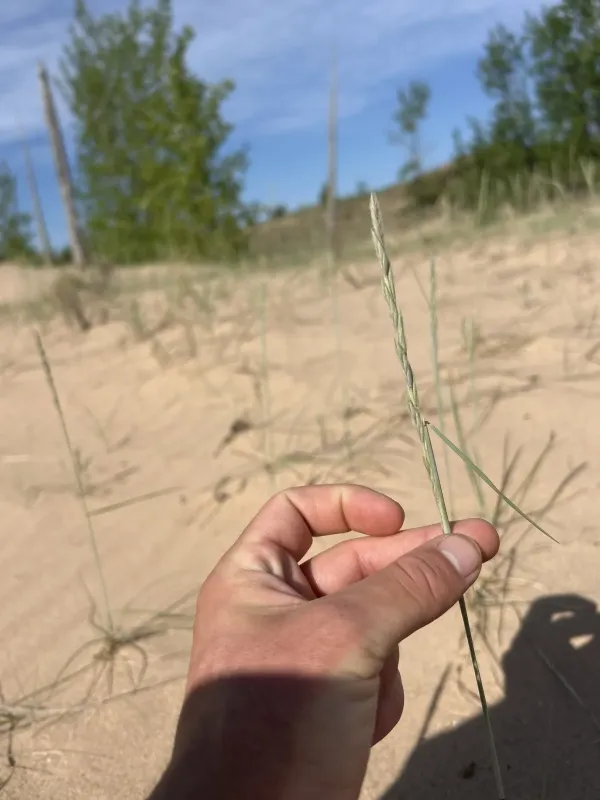
Description
Sowing dates
Thickspike wheatgrass is best established during early spring or late autumn when soil temperatures favor seed germination. Timing is crucial to ensure that seedlings have enough moisture to develop deep roots before the heat of summer.
The seedbed should be firm and relatively free of weed competition. Because the seeds are small, they should be planted at a shallow depth of approximately 1 to 2 centimeters to ensure good soil-to-seed contact without burying them too deeply.
Drilling is the preferred method for commercial planting, typically with row spacings of 15 to 30 centimeters depending on the intended use. In restoration projects, broadcast seeding followed by light harrowing is often successful.
Applying a light roller after planting is recommended to improve capillary moisture movement to the seeds. This step significantly increases the rate of germination, especially in drier environments where moisture is a limiting factor.
Weed management in the first year of establishment is vital for the survival of the stand. It is often recommended to wait until the plants have reached the tillering stage before applying any selective herbicides.
Growing requirements
Thickspike wheatgrass (Elymus lanceolatus) is a perennial, rhizomatous grass belonging to the Poaceae family. It is renowned for its exceptional durability and its ability to thrive in harsh, semi-arid environments.
This grass is highly drought-tolerant and performs well on a variety of soil textures, ranging from sandy loams to heavy clays. It also possesses a moderate tolerance to soil salinity, making it a popular choice for rehabilitating disturbed sites.
The climate requirements include a preference for areas with cold winters and relatively dry growing seasons. It is fully winter-hardy and can withstand significant temperature fluctuations without suffering damage.
Adequate sunlight is essential for optimal growth and seed production. While the plant can tolerate partial shade, its competitive capacity is best expressed in full sun, where it can spread via its rhizomatous root system.
Soil pH levels for this species typically range from slightly acidic to moderately alkaline. Its deep root architecture makes it particularly valuable for slope stabilization and soil conservation efforts.
Yield
The forage production of Thickspike wheatgrass is moderate, with annual dry matter yields depending heavily on precipitation and soil nitrogen levels. It is primarily valued for its early spring green-up and late-season quality.
As a long-lived perennial, it provides stable cover for many years. It is highly resistant to grazing pressure, provided that grazing management allows for sufficient recovery time between periods of use.
Nutritional quality is high during the early vegetative stages but tends to decline as the plant matures and the stems become more lignified. Strategic timing of harvest or grazing can optimize its nutritional value.
Besides forage, this grass is an excellent choice for conservation seedings, where its ability to persist under stress is more valuable than maximum biomass yield. It effectively stabilizes erodible soils.
When managed properly, a stand can maintain high vigor for over a decade. Periodic light fertilization can improve biomass output, though the species is generally adapted to low-input management systems.
Main diseases and pests
Thickspike wheatgrass is generally robust and rarely suffers from severe disease outbreaks. However, under high humidity or in dense stands, leaf rust or powdery mildew may occasionally appear.
Root rot fungi can become a concern in poorly drained or waterlogged soils. Ensuring adequate soil drainage is the most effective preventative measure against these types of soil-borne pathogens.
Insect pests, such as grasshoppers or grain aphids, may cause occasional damage. In large-scale plantings, monitoring is advised during the early growth stage to detect infestations that could potentially impact stand density.
Integrated pest management, including balanced grazing or harvesting schedules, is usually sufficient to maintain plant health. Chemical control is rarely needed and is typically discouraged in conservation or restoration contexts.
The natural resilience of the species allows it to outcompete many weeds once established, provided the initial seedling phase is protected from heavy weed pressure.
Harvesting
Harvesting for hay should ideally occur in the late boot stage to ensure a good balance between biomass quantity and protein content. Cutting too late results in lower digestibility due to high fiber content.
Seed harvest is performed when the heads turn a straw-yellow color and seeds are hard. Because the seeds can shatter easily, timing is critical, and specialized header settings are required to minimize field loss.
A minimum stubble height of 10 centimeters should be maintained during hay harvest to protect the growing points and facilitate rapid regrowth for the next season.
After harvesting, seeds must be cleaned of stalks and chaff to prevent heating and spoilage. Proper drying to a moisture content of around 12% is essential for long-term storage viability.
Stored seed should be kept in a cool, dry, and rodent-proof facility to maintain high germination rates for future planting seasons.