
Dahurian wildrye
Elymus dahuricus Turcz. ex Griseb. Nevski
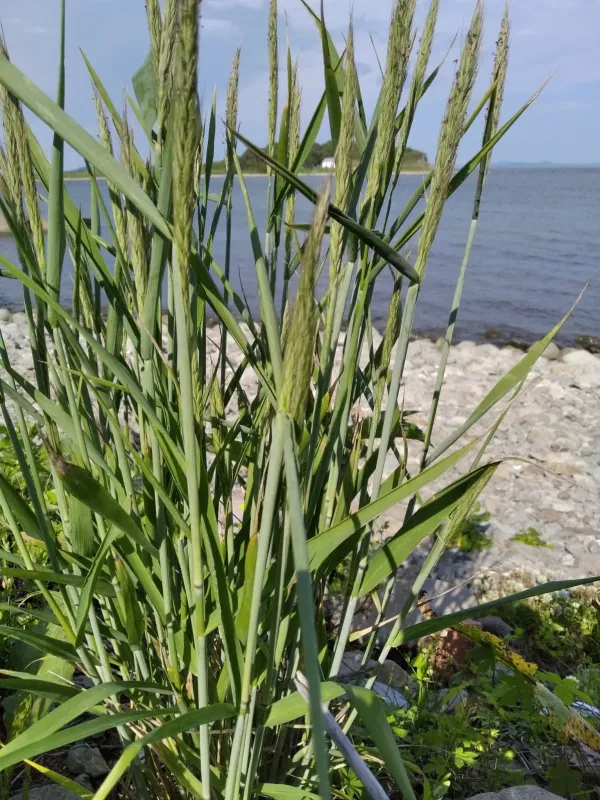
Description
Sowing dates
Dahurian wildrye is a high-yielding perennial grass belonging to the Poaceae family. It is recognized for its robust root system and strong adaptability to diverse environmental conditions, making it an excellent candidate for both forage production and erosion control.
Sowing should typically occur in early spring when soil moisture is sufficient to support germination. Because the seeds are small, shallow sowing at a depth of 2–3 cm is ideal for promoting uniform emergence.
The standard row spacing ranges from 15 to 20 cm for forage production. If the objective is seed production, slightly wider spacing is recommended to reduce competition between plants and encourage tiller development.
Initial soil preparation is crucial, as the grass seedlings establish slowly during their first year. A fine, firm seedbed helps ensure consistent contact between the seeds and the soil, leading to a more successful stand.
Post-sowing compaction is often practiced to improve seed-to-soil contact. Regular monitoring during the seedling stage is essential to prevent weeds from outcompeting the young, slow-growing grass plants.
Growing requirements
Dahurian wildrye is well-known for its winter hardiness and tolerance to cold climates. It thrives in regions with sharp temperature fluctuations and remains productive throughout long, harsh winter periods.
This species is highly versatile regarding soil types. It performs well in various soil textures, including nutrient-poor, saline, and alkaline soils, which are often unsuitable for less hardy forage crops.
The crop exhibits remarkable drought tolerance, allowing it to maintain growth under limited water conditions. This characteristic makes it highly valuable for land reclamation projects in arid and semi-arid regions.
Proper sunlight is essential for optimal biomass production. While the plant can survive in partial shade, full sun exposure is necessary to stimulate maximum tillering and achieve higher total yield values.
Fertilization management, particularly the application of nitrogen in early spring, is highly effective for increasing forage yield. Proper nutrient management helps the crop recover quickly after grazing or mowing.
Yield
Primarily cultivated as a forage crop, Dahurian wildrye is used extensively for both hay and pasture. It provides high-quality biomass rich in protein, which is highly palatable for various types of livestock.
The stand longevity of this grass is excellent, with productive harvests possible for 5–7 years. It serves as a reliable cornerstone of the forage base in regions where intensive agriculture is difficult.
Total yield is heavily dependent on soil fertility and moisture management. When integrated into forage systems with legumes, it can produce multiple cuts per season, significantly increasing land utility.
Dahurian wildrye is also highly valued for its role in soil conservation. Its dense root network binds soil particles together, effectively protecting slopes and degraded lands from wind and water erosion.
Regular maintenance, including proper grazing management and occasional rest periods, ensures the persistence of the grass stand and contributes to sustained productivity over many years.
Main diseases and pests
Dahurian wildrye is generally resistant to many common grass pathogens. However, dense stands in humid conditions may be susceptible to powdery mildew or various rust fungi, especially if airflow is restricted.
Insects such as grass flies or aphids can cause damage during the early growth stages. Integrated pest management, focusing on early detection and maintaining plant vigor, is the most effective approach to protection.
Root rot diseases may occur in areas with poor drainage and excessive moisture. Improving field drainage is the primary method for preventing these issues and maintaining stand health.
Seed-producing stands must be monitored for flower-damaging insects. Keeping the surrounding area clear of common weed hosts significantly reduces the risk of pest migration into the grass field.
Good agricultural practices, such as proper seeding density and maintaining a balanced nutrient level, significantly minimize the impact of biotic stresses and keep the grass stand healthy and vibrant.
Harvesting
For hay production, harvesting should be performed at the early heading stage. This timing captures the ideal balance between biomass quantity and the nutrient quality of the plant before it matures.
Seed harvesting requires careful timing, as the seeds have a tendency to shatter if left too long in the field. Harvesting should begin as soon as the seeds reach full maturity and characteristic color.
A windrowing approach is often used to allow the cut material to dry uniformly. After initial drying, the material is threshed and cleaned to meet the standards for high-quality planting material.
Post-harvest storage must occur in a dry, well-ventilated environment to maintain seed viability and prevent mold growth. Keeping moisture content below 14% is critical for long-term storage.
Efficient harvesting techniques not only preserve the quality of the harvested product but also ensure that the root crowns remain healthy, promoting vigorous regrowth in subsequent years.