
Canada wildrye
Elymus canadensis L.
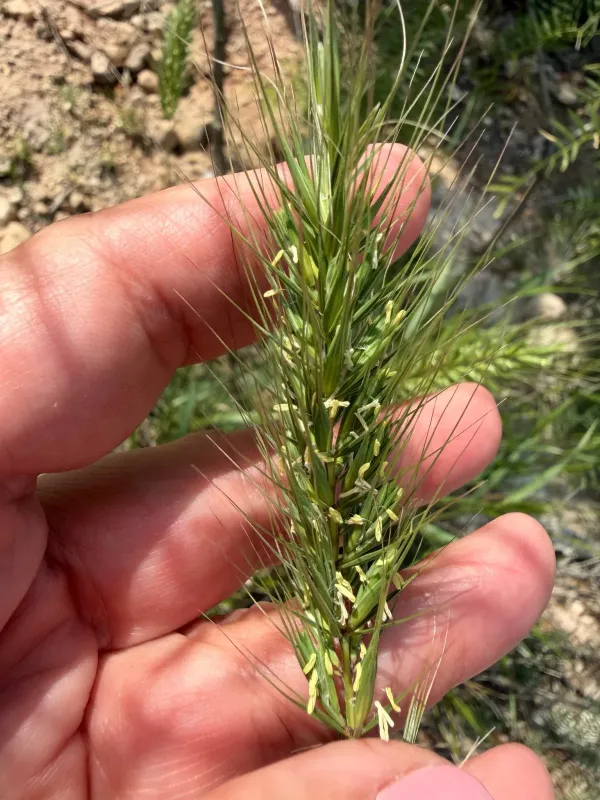
Description
Sowing dates
Canada wildrye (Elymus canadensis L.) is a perennial cool-season grass belonging to the Poaceae family. Sowing is typically carried out in early spring as soon as soil temperatures allow for germination.
Dormant seeding in late autumn is also a highly effective method, as it allows seeds to undergo natural stratification, resulting in uniform emergence in the spring.
The recommended seeding rate varies from 10 to 12 kilograms per hectare depending on the intended use. Proper seed-to-soil contact is essential for achieving optimal establishment.
The seeds should be planted at a depth of 1.5 to 2.5 centimeters. Deeper planting may delay emergence, while too shallow planting can lead to desiccation of the seeds.
Canada wildrye is often used in seed mixtures for grassland restoration. It establishes quickly, providing competitive cover that effectively suppresses unwanted weeds during the first year.
Growing requirements
Originating from North America, this species is highly adaptable to various environmental conditions. It is frequently found in prairies, thickets, and along riverbanks, showcasing its natural hardiness.
Canada wildrye thrives in well-drained soils but is notably drought-tolerant once established. It performs well on a variety of soil textures, including sandy and rocky substrates.
The plant prefers full sun exposure to maintain high productivity. While it can survive in partial shade, optimal growth rates are achieved in open areas with high light availability.
It is well-suited for a pH range of 6.0 to 8.0. The species demonstrates excellent winter hardiness, allowing it to survive extreme temperatures without significant damage to the root system.
Due to its deep and fibrous root system, Canada wildrye is an excellent choice for soil stabilization. It is widely used in reclamation projects to prevent wind and water erosion.
Yield
The biomass yield typically ranges between 15 and 25 metric tons per hectare under favorable moisture and fertility conditions. Yield depends largely on timely harvest and site preparation.
For high-quality forage, the grass should be harvested before or at the early heading stage. Delaying the harvest reduces protein content and increases fiber concentration, lowering digestibility.
Seed production is consistent, with yields often reaching 300 to 500 kilograms per hectare. Proper management of fertilizer and weed control is essential for maximizing seed yield.
The plant has a moderate regrowth capacity after mowing. It is ideal for one or two major hay cuttings per season, depending on the climatic conditions of the region.
Canada wildrye serves a dual purpose as both a forage crop and a conservation species, providing habitat for local wildlife while contributing to the productivity of the land.
Main diseases and pests
The most common diseases affecting this species are rusts and powdery mildew. These are usually prevalent in humid environments, so spacing plants correctly is key to prevention.
Root rot may occur in poorly drained or waterlogged soils. Ensuring proper drainage is the most effective cultural practice to mitigate the risk of fungal root infections.
Pests such as grass bugs and aphids can damage young seedlings. Frequent field monitoring during the early developmental phases is recommended to identify potential outbreaks early.
Seeds can be targeted by weevils and other storage insects. Proper cleaning and drying of seeds to below 12% moisture content significantly reduce the risk of infestation in storage.
Integrated Pest Management (IPM) strategies, including field sanitation and crop rotation, are recommended to maintain healthy stands and ensure long-term productivity of the grass.
Harvesting
Hay harvest should occur at the booting to early heading stage to ensure the best balance between yield and nutritional quality. Mowing should not occur too late in the season.
Seed harvesting is usually performed when the seed heads turn a golden color. Direct combining is common, but timing is critical to prevent pre-harvest shattering of the seeds.
After harvesting, seeds must be dried and cleaned to remove inert matter. Properly stored seeds can maintain high germination rates for several years in cool conditions.
If managed as a pasture, Canada wildrye responds well to rotational grazing. It is important to avoid overgrazing to ensure the plant maintains its vigor and long-term sustainability.
Leaving a moderate amount of residue on the field after the final harvest helps protect the soil surface from erosion and improves the overall health of the soil profile.