
Slender wheatgrass
Elymus trachycaulus (Link) Gould ex Shinners subsp. subsecundus (Link) Á. Löve & D. Löve
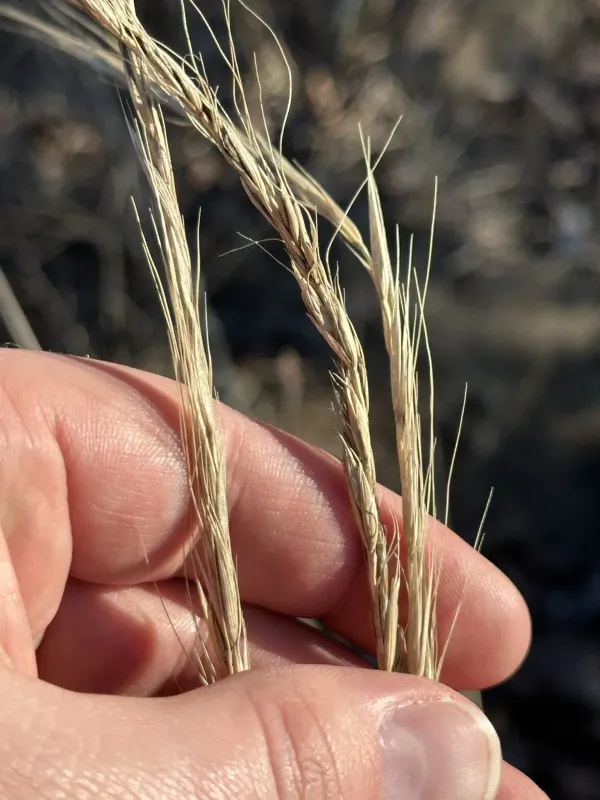
Description
Sowing dates
Slender wheatgrass is a valuable perennial grass species typically planted in early spring, as soon as the soil is dry enough for field operations. Early spring sowing allows the seeds to utilize soil moisture from melting snow to ensure uniform germination across the field.
In regions with reliable moisture, late-fall sowing is also acceptable, providing an early start for the seedlings in the following season. The crop is typically planted using drills or row-seeders, with seeding rates adjusted based on local regional standards and the specific agricultural goals.
Proper seeding depth is critical, usually ranging between 1 and 2 centimeters, depending on soil texture. Because the seeds are relatively small, careful seedbed preparation followed by packing is essential to ensure good soil-to-seed contact for rapid establishment.
After planting, field rollers help create capillary action in the soil, which facilitates germination. Adhering to optimal sowing windows allows the plants to establish a healthy root system before the onset of intense summer heat.
Spring sowing generally results in higher establishment success rates, as the species is sensitive to moisture stress during the early germination phase. Using high-quality, certified seeds with high vigor is key to establishing a robust and long-lasting stand.
Growing requirements
Belonging to the Poaceae family, Slender wheatgrass exhibits significant ecological plasticity, thriving across a vast range of environments in North America and Eurasia. It prefers well-drained, fertile loam or sandy-loam soils with a neutral to slightly alkaline pH.
This grass species is noted for its excellent cold tolerance, capable of surviving severe winter temperatures typical of continental climates. While it is moderately drought-tolerant, it grows most effectively in areas with adequate annual precipitation.
Regarding soil fertility, the crop responds well to nitrogen and phosphorus inputs, which are essential for maximizing biomass production. Excessive soil moisture or stagnant water is detrimental to the plant and should be avoided by choosing well-drained sites.
Slender wheatgrass requires intense sunlight for optimal development and does not perform well in heavily shaded conditions. Its use in crop rotations is highly beneficial on slopes prone to erosion, as its dense root system stabilizes the soil structure.
The species' adaptability makes it a popular choice for reclamation projects, particularly on disturbed or degraded lands. It forms a sod-like base that suppresses weeds and improves overall soil health over time.
Yield
The yield potential of Slender wheatgrass is heavily influenced by soil fertility levels and water availability during critical growth stages. Under favorable conditions, the grass can support two harvests per season, providing a steady supply of high-quality forage.
Total dry matter yields typically range from 1.5 to 3.0 tons per hectare, depending on management intensity and environmental conditions. Seed production yields generally vary from 300 to 600 kilograms per hectare.
Strategic nitrogen fertilization in early spring is vital for achieving top-tier biomass yields. The crop also responds positively to organic manure, which improves soil structure and moisture retention capacity over several seasons.
Under intensive management systems involving irrigation, biomass yields can be significantly enhanced. It is important to note that the crop typically reaches its peak productivity during the second or third year after establishment.
Economically, the species is utilized for both hay production and managed grazing, being highly palatable to livestock. The nutritional value remains high if the crop is harvested prior to the onset of the flowering stage.
Main diseases and pests
Slender wheatgrass is generally resistant to many common cereal grain diseases, though rust may occur under high humidity and dense canopy conditions. Good field hygiene and avoiding overly dense plantings help minimize these risks.
Insect pests, such as grass-feeding flies or aphids, may cause localized damage in years with high populations. Regular monitoring allows producers to detect early outbreaks and apply integrated pest management strategies if necessary.
Root rot issues can arise if management protocols are neglected, especially when grown on heavy or saturated soils. Seed treatments with appropriate fungicides are recommended to protect the young seedlings during the critical establishment phase.
Weeds can be a significant competitor in the first year before the stand fully matures. Selective herbicides can be used to manage broadleaf weeds, ensuring the grass has enough space to establish its root systems.
Consistent crop rotation helps prevent the buildup of soil-borne pathogens. Including legumes in the broader rotation plan can enhance soil nitrogen levels and disrupt the lifecycle of common grass pathogens.
Harvesting
The optimal harvest window for hay is the heading stage, when the plant offers the best balance between nutrient density and digestibility. Delaying harvest beyond this stage results in a significant decline in quality as stems become more fibrous.
For seed production, the crop should be harvested at full maturity, typically identified by the straw-like color of the heads. Careful monitoring of seed moisture is necessary to prevent spoilage and heating during post-harvest storage.
When producing hay, mechanical tedding is recommended to ensure uniform drying in the field, which preserves the crop's color and palatability. Baling should be performed only when the moisture content drops below 15-17 percent.
To minimize seed loss, direct combining or swathing followed by picking up the windrow is recommended if ripening is uneven across the field. Precision settings on the threshing drum are required to avoid damaging the seed coats during the harvest process.
Post-harvest residues (stubble) should be left in the field to serve as natural mulch and prevent erosion. Autumn mowing is not recommended, as the remaining plant material helps insulate the crown through the winter months.