
Camphor laurel
Cinnamomum camphora (L.) J.S. Presl
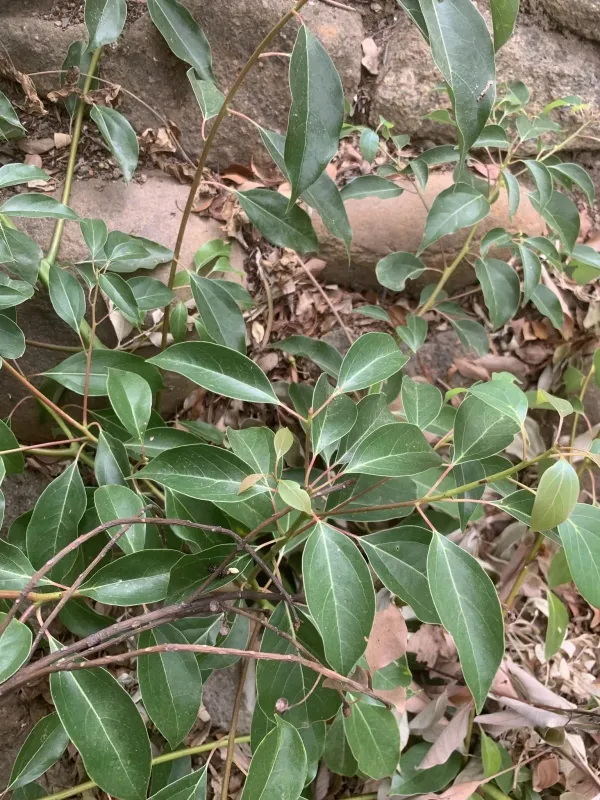
Description
Growing requirements
Camphor laurel (Cinnamomum camphora) is an evergreen tree belonging to the Lauraceae family, native to East Asia. It is widely cultivated for its essential oils, specifically camphor, which is extracted from its wood and leaves.
The tree thrives in warm, humid subtropical climates. It is highly sensitive to frost, especially in its juvenile stage, requiring protection from freezing temperatures to ensure steady growth and survival.
For optimal development, the species requires deep, fertile, and well-drained soils. It exhibits poor tolerance for waterlogged conditions, which can lead to rapid root decay and plant mortality.
Sunlight exposure is crucial for the tree. While young plants can tolerate partial shade, mature trees require full exposure to direct sunlight to maximize biomass accumulation and essential oil production.
The cultural practices include regular monitoring of soil moisture and nutrient levels. Organic fertilization helps support vigorous growth, which is essential for short-cycle leaf harvesting strategies.
Yield
The yield of camphor laurel is measured by the extraction of camphor and associated terpenes. Mature plantations can produce substantial yields, typically ranging from 15 to 20 metric tons of green foliage per hectare annually.
Yield efficiency is heavily dependent on the plant's age and the specific chemotype cultivated. Trees aged 20 years or older are considered the most productive for wood-based distillation.
To maximize production, modern plantations utilize high-density planting combined with annual pruning. This practice increases the surface area of the foliage, allowing for consistent yearly harvests.
Advanced agricultural selection focuses on genotypes with high concentrations of secondary metabolites. These varieties ensure better industrial output and meet the strict requirements of pharmaceutical manufacturers.
Effective plantation management, including canopy thinning, ensures that every tree receives enough light, preventing stunted growth and maximizing the overall essential oil yield per acre.
Main diseases and pests
Scale insects, mealybugs, and spider mites represent the most common pests for Cinnamomum camphora. These pests can significantly reduce the vitality of the trees by damaging the foliage.
Fungal infections, such as leaf spot and powdery mildew, thrive in high-humidity environments. Maintaining good air circulation within the plantation is a primary strategy for disease prevention.
Root rot is a major threat caused by poor drainage or excessive irrigation. It is essential to manage water runoff and ensure that the soil structure remains aerated throughout the growing season.
Weed management is critical in the early stages of establishment. Competitive flora can quickly outcompete young saplings for soil nutrients and light, necessitating consistent weeding programs.
Integrated Pest Management (IPM) is recommended to minimize chemical residues in the final essential oil product, focusing on biological controls and regular field monitoring.
Harvesting
Harvesting strategies involve two main methods: periodic leaf gathering and selective timber felling. Leaves are usually harvested during the peak growing season when oil concentration is highest.
Timber harvesting requires careful planning, often utilizing a rotational cutting system to ensure the sustainability of the plantation and steady annual output for processing facilities.
Post-harvest handling is critical to quality. Foliage must be transported and processed quickly to prevent fermentation or the loss of volatile essential oils through evaporation.
Industrial processing typically involves steam distillation of the chipped wood and leaves. Maintaining the integrity of the raw material prior to distillation is key to achieving a premium grade of camphor.
Effective logistics and cold storage solutions for the raw biomass can significantly improve the shelf life of the harvested material, ensuring consistency for industrial-scale extraction plants.