
Cinnamon
Cinnamomum verum J. Presl
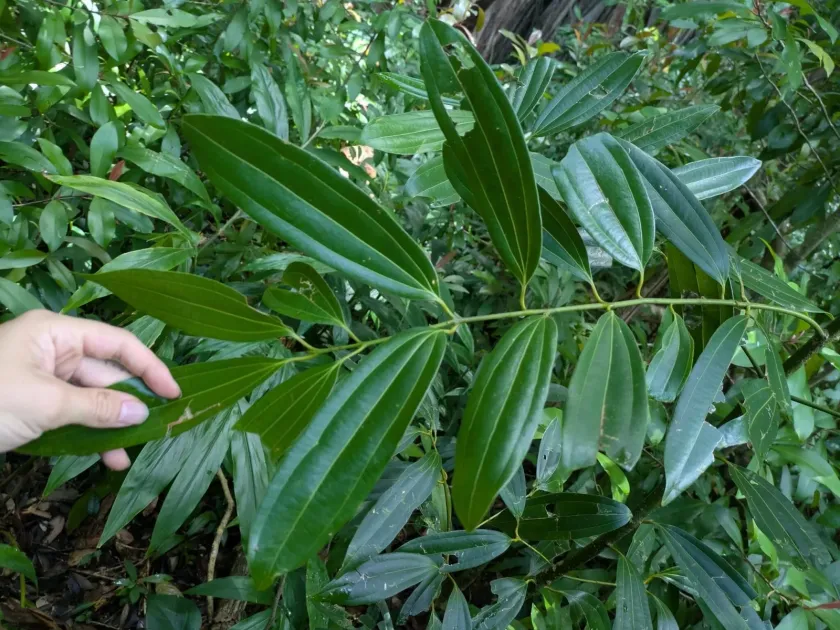
Description
Growing requirements
Cinnamomum verum, commonly known as True Cinnamon, is an evergreen tree belonging to the Lauraceae family. It is a tropical crop that thrives in regions with warm, humid climates and consistent rainfall patterns.
The ideal temperature for cinnamon cultivation ranges from 24 to 30 degrees Celsius. Excessive heat or sudden cold snaps can negatively impact the development of the tree and the quality of the bark.
Soil requirements are quite specific: the plant demands deep, fertile, and well-drained sandy loam or clay soils. Proper soil structure is essential to prevent waterlogging, which the species is highly sensitive to.
The tree requires significant annual rainfall, ideally between 2000 and 2500 mm, to maintain vigorous growth throughout the year. It should be planted in areas sheltered from strong, damaging winds.
Agricultural practices for cinnamon involve frequent weeding and light mulching to maintain soil moisture. The plant is typically grown as a coppiced shrub to ensure a steady supply of young, harvestable shoots.
Yield
Cinnamon yield is primarily derived from the inner bark of young shoots. Commercial harvesting usually begins when the plants are around 3 to 4 years old and well-established.
The quantity and quality of the yield are influenced by the planting density and the frequency of pruning. Regular coppicing promotes the growth of new, high-quality stems required for top-grade spice production.
The economic lifespan of a cinnamon plantation can span several decades, although the peak concentration of essential oils is often found in younger, actively growing plants.
Efficiency in spice production is determined by the speed and precision of processing the bark immediately after harvest. Proper curing techniques ensure that the essential oils are retained in the product.
Yields can also include essential oil extracted from the leaves, which provides additional value and contributes to the overall sustainability of the farming operation.
Main diseases and pests
Cinnamon trees are susceptible to several fungal diseases, particularly root rots caused by waterlogged soil conditions. Ensuring proper drainage is the most effective preventative measure against these infections.
Leaf spot diseases can also affect the vitality of the trees, leading to reduced photosynthetic capacity. These are often managed by optimizing canopy density through strategic pruning.
Insect pests, such as aphids and scale insects, frequently target tender new growth. If left unchecked, these infestations can cause significant stunting and damage to the potential crop.
Integrated Pest Management (IPM) is strongly recommended for cinnamon crops to minimize the use of synthetic pesticides, as the final product is for human consumption.
Maintaining a clean plantation and removing infected plant material helps prevent the spread of pests and diseases across the farm, ensuring the longevity of the grove.
Harvesting
Harvesting is a highly manual process performed during the rainy season when the bark separates most easily from the wood. Experienced laborers strip the outer bark to expose the inner layers.
Once harvested, the inner bark is carefully scraped and left to dry in a shaded, well-ventilated environment. As it dries, the bark naturally curls into the iconic quills that define cinnamon.
Post-harvest processing involves sorting the quills by size, color, and aroma strength. This manual classification is crucial for maintaining the market standard and determining the spice's value.
The drying phase must be closely monitored to avoid humidity spikes that could lead to mold growth. Controlled environments ensure the finished product remains free of contaminants.
After reaching the desired moisture content, the cinnamon is bundled and packed for storage or export, preserving its volatile aromatic oils for the end-user.