
Micranthum cinnamon
Cinnamomum micranthum (Hayata) Hayata
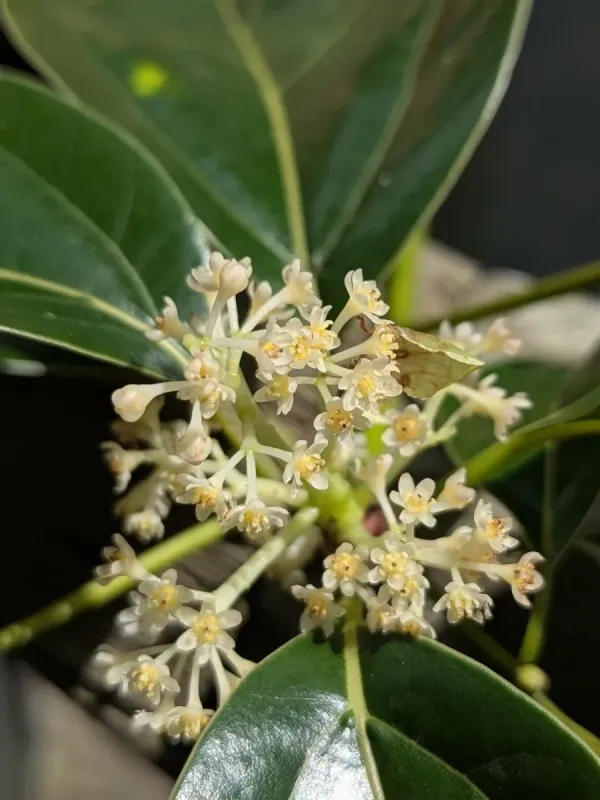
Description
Growing requirements
Micranthum cinnamon (Cinnamomum micranthum) is a significant species within the Lauraceae family, native to the subtropical forests of Taiwan and parts of China. It is a long-lived evergreen tree known for its aromatic properties and high concentration of essential oils in its bark and wood.
The cultivation of this species requires specific environmental conditions, characterized by high annual rainfall and mild, humid winters. It thrives best in subtropical zones where seasonal temperatures remain relatively stable, avoiding extreme heat or frost that could damage younger, more vulnerable trees.
Soil requirements are strict, as the tree demands deep, well-draining, and nutrient-rich soils. Loamy or sandy-loam compositions are ideal, provided they are managed to avoid water stagnation, which poses a significant risk of root development impairment and subsequent decay.
Agronomic management involves careful attention to plant density to ensure adequate light penetration and airflow. Initial growth stages require shaded conditions, often provided by nurse crops or natural canopy cover, before transitioning to full sun exposure as the tree matures.
The economic value of this tree is diverse, with major applications in the distillation of essential oils and the production of timber for specialized construction. Its aromatic wood is highly prized for furniture, flooring, and decorative carvings, making it a valuable forestry crop.
Main diseases and pests
Root rot is the most common threat to Micranthum cinnamon plantations, usually triggered by poor soil drainage and high moisture levels during the rainy season. Managing water runoff and improving soil structure are the primary methods to prevent these lethal fungal infections.
Various insects, such as leaf-eating beetles and scale insects, frequently target the foliage of younger trees. Integrated pest management strategies, including the use of pheromone traps and beneficial predator insects, are preferred to minimize the reliance on broad-spectrum chemical sprays.
Anthracnose can also significantly impact the quality of the foliage, manifesting as dark, irregular spots on leaves and stems. This disease is exacerbated by high humidity and poor ventilation within the plantation, requiring consistent pruning to maintain canopy health.
Preventative care is essential for maintaining a healthy stand. This includes regular monitoring for early signs of distress, such as leaf discoloration or wilting, and conducting prompt sanitation to remove any infected plant material before it spreads to adjacent trees.
The use of sustainable fertilizers and compost helps boost the plant's natural resistance to pests and diseases. By optimizing nutrient intake, the tree becomes more resilient against environmental stressors that often invite opportunistic pathogens.