
Camphor tree
Cinnamomum camphora (L.) Sieb. var. glaucescens Kamikoti
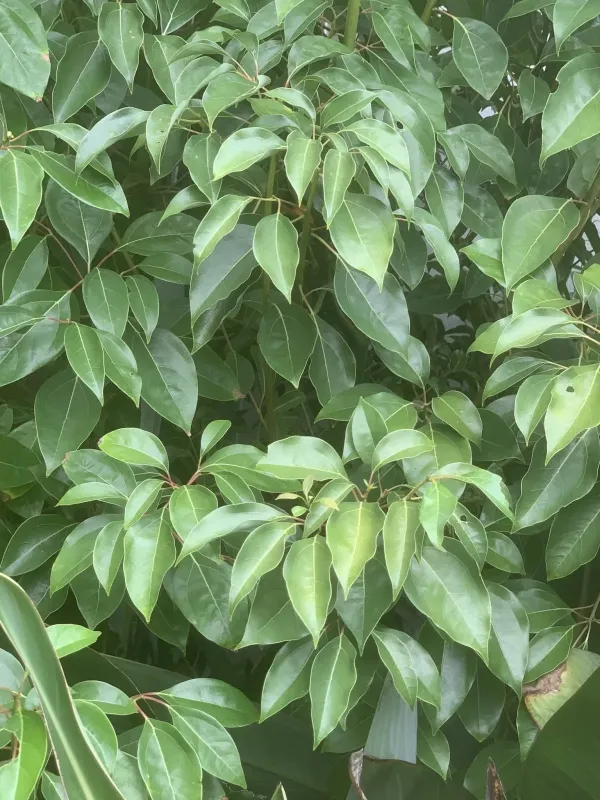
Description
Growing requirements
The camphor tree (Cinnamomum camphora) is a large evergreen species within the Lauraceae family. It is recognized for its dense, broad canopy and glossy, aromatic leaves that are rich in essential oils, primarily camphor, which is extracted for industrial use.
Native to East Asia, including regions like China, Japan, and Taiwan, this species thrives in humid subtropical climates. It is highly sensitive to frost, especially in its juvenile stages, requiring stable temperatures to ensure healthy development and biomass accumulation.
For successful cultivation, the tree requires deep, fertile, and well-drained soils. Maintaining soil pH within the neutral range is optimal for nutrient uptake. Adequate moisture throughout the growing season is critical for sustaining the high physiological activity of the plant.
Economically, the tree is highly valued for the distillation of camphor oil. This compound is a staple in the pharmaceutical industry for medicinal preparations, as well as in the manufacture of perfumes, cleaning agents, and insect repellents. The wood is also utilized for high-quality furniture.
Proper agronomic management involves regular pruning to encourage structural strength and canopy density. Plantation spacing should be calculated based on the site's productivity to prevent competition for light and soil resources, ensuring maximum yield of raw materials.
Main diseases and pests
Pests such as scale insects and spider mites are frequent threats to the camphor tree. They feed on plant sap, which can significantly weaken the foliage and reduce the overall quality of the oil yield if not managed with integrated pest control strategies.
Pathogenic fungi, particularly those causing root rot, represent a major risk in waterlogged soil conditions. Ensuring proper site drainage and maintaining plant vigor through balanced fertilization are the primary methods for preventing widespread outbreaks of disease in plantations.