
Bromus commutatus
Bromus commutatus Schrad.
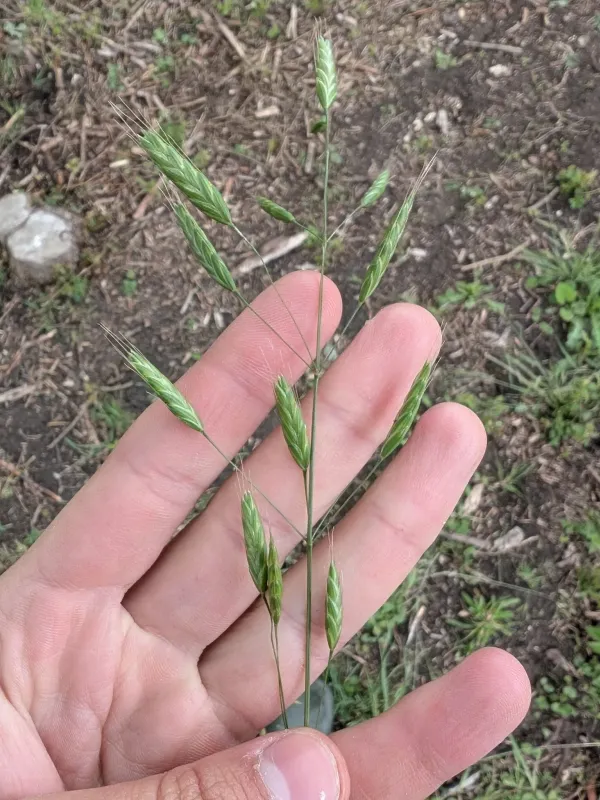
Description
Sowing dates
Bromus commutatus is typically established through autumn sowing, allowing the seedlings to become robust before the onset of winter dormancy.
The seeds should be sown at a shallow depth of approximately 1 to 2 centimeters to ensure adequate contact with the moist soil for germination.
In regions with milder climates, spring sowing is also a viable option to establish cover or forage, provided the soil moisture is sufficient.
Uniform seed distribution is essential to prevent overcrowding and to ensure that each individual plant has enough space to develop its root system.
Farmers often integrate this species into seed mixtures to improve the nutritional quality of the pasture during the early spring and autumn growth flushes.
Growing requirements
Belonging to the Poaceae family, Bromus commutatus thrives in a wide range of soil types, ranging from well-drained loams to silty clay soils.
The species prefers sites with moderate moisture levels and does not tolerate long-term waterlogging or extremely arid desert conditions.
Sunlight exposure is crucial for the development of generative shoots, and the plant performs best in open areas with minimal overhead shade.
Soil fertility management, particularly nitrogen application, plays a vital role in stimulating biomass production and improving forage palatability.
The plant demonstrates significant tolerance to temperature fluctuations, making it a reliable species for temperate climatic zones across Europe and beyond.
Yield
The biomass yield of Bromus commutatus is highly responsive to favorable weather conditions and adequate nutrient availability in the soil.
Under optimal management, the species provides a consistent and high-quality yield of green matter, making it suitable for grazing livestock.
Its productivity is maximized when the crop is managed through proper grazing rotations or timely cutting to encourage vegetative regrowth.
Nutrient composition is relatively high if the plant is harvested at the appropriate developmental stage, ensuring a high level of protein for animals.
Farmers aim to optimize yields by maintaining a balance between the botanical composition of the pasture and the intensity of seasonal grazing.
Main diseases and pests
Like many grass species, Bromus commutatus is susceptible to fungal infections such as rust and powdery mildew, especially during humid weather.
Pest pressure can be significant, with aphids and cereal flies being the primary concerns that impact the overall health and vigor of the crop.
Root-feeding insects can cause thinning of the stand, which can be mitigated by proper soil tillage and effective crop rotation practices.
Invasive weed species can outcompete the grass if the stand is not managed properly during the initial establishment phase of the growth cycle.
- Use of disease-resistant seed varieties to minimize infection risk.
- Regular field monitoring for early signs of pathogen development.
- Appropriate chemical or biological control when thresholds are exceeded.
- Maintaining soil health through balanced fertilization and pH management.
Harvesting
The optimal time for hay harvesting is at the beginning of the flowering phase, when the nutrient concentration in the biomass is at its peak.
Timely harvesting is essential to prevent the stems from becoming lignified, which significantly reduces the energy value for livestock feed.
Proper drying techniques are required post-harvest to preserve the quality of the hay and prevent microbial growth during the storage process.
For seed production, the harvest should be conducted when the panicles reach full maturity to avoid shattering and seed loss during the operation.
Effective post-harvest management includes thorough cleaning and drying of the harvested material to ensure long-term stability and quality.