
Sitka brome
Bromus sitchensis Trin.
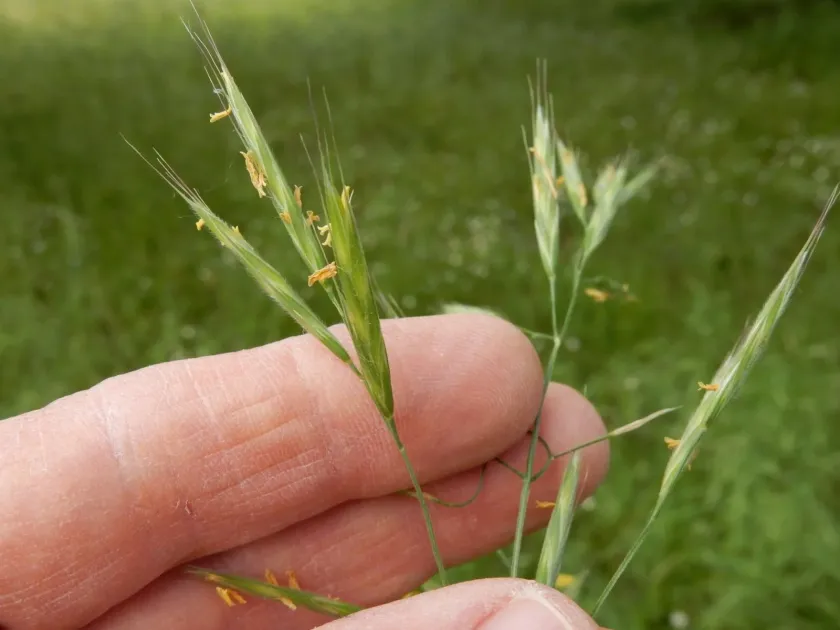
Description
Sowing dates
Sitka brome is typically sown in early spring or late summer, allowing the plants to establish a robust root system before the onset of extreme temperatures or dormant seasons.
The seeding rate ranges from 12 to 18 kg per hectare, depending on local soil quality and the specific management practices used to ensure uniform stand density in the field.
Sowing depth should be kept shallow, between 1.5 and 2.5 cm, as deeper placement can significantly delay emergence and weaken the young seedlings in their critical development phase.
Proper seedbed preparation, including rolling, is essential to ensure good soil-to-seed contact, which promotes rapid germination and uniform growth across the entire field area.
In the early establishment phase, weed control is vital as the seedlings are relatively slow to develop and can be easily outcompeted by aggressive weeds in the environment.
##requirements##Sitka brome is a perennial grass of the Poaceae family that thrives in regions with moderate climate conditions and consistent moisture throughout the growing season.
The crop performs best in well-drained loamy soils and prefers neutral to slightly acidic pH levels, showing great adaptability to various fertile land types under good management.
It requires a sufficient supply of nitrogen and phosphorus to maintain high levels of productivity, as these nutrients drive the rapid growth of leaf biomass and roots.
While the species is moderately cold-hardy, it requires adequate protection during severe frost to ensure regrowth in the following season, especially in exposed northern regions.
Good soil aeration is necessary to prevent waterlogging, which the plant does not tolerate well, as it can lead to root damage and reduced overall stand longevity.
Yield
Under optimal management and favorable weather, Sitka brome can produce high yields of green forage, often reaching 30–50 tons per hectare in a single season.
The dry matter yield typically ranges from 8 to 12 tons per hectare, offering high nutritional value, including essential proteins and carbohydrates required for livestock feed.
The plant demonstrates excellent regrowth capabilities after mowing, allowing for up to three cuts per season, which significantly enhances the total productivity of the farmland.
Productivity remains stable for 5–7 years, provided that the soil fertility is maintained and harvesting cycles are performed according to the plant's physiological needs.
Its high digestibility and palatability make it a preferred choice for producers who aim to maximize the quality of their haylage and stored winter fodder stocks.
Main diseases and pests
Fungal diseases, particularly rusts and powdery mildew, are the most frequent threats, especially in seasons characterized by high humidity and limited airflow in the canopy.
Pests such as cereal flies and various aphids can cause significant damage to the plant's growth points, leading to stunted development and potential yield losses.
Root rot caused by poor soil drainage can severely impact stand persistence, necessitating strategic irrigation management and, if needed, field drainage improvements.
Effective management includes selecting resistant cultivars and maintaining a healthy crop rotation to break the life cycles of common soil-borne pathogens and insect pests.
Pesticide usage should be carefully monitored and limited to cases of severe infestation, always respecting safety harvest intervals to ensure the final fodder remains safe for use.
Harvesting
Harvesting for hay should occur at the booting or early heading stage, which allows for the best balance between high protein content and overall forage biomass quantity.
When producing silage, harvesting is recommended at the start of flowering, ensuring the plant tissues have the ideal moisture and sugar balance for effective fermentation.
Mechanical operations, including tedding and raking, should be performed under favorable weather conditions to promote quick drying and minimize nutrient loss from rain.
Cutting height is typically set at 5–7 cm; keeping this height helps stimulate regrowth and protects the crown, ensuring the plant survives the winter in healthy condition.
Proper storage of the harvested forage is critical, using modern bale wrapping or silo structures to prevent spoilage and protect the nutritional value until it is needed.