
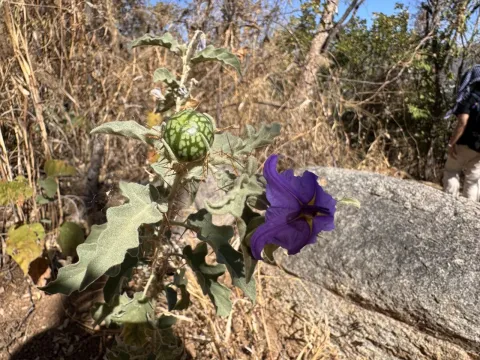
Houston's nightshade
Solanum houstonii
Houston's nightshade (Solanum houstonii) belongs to the large and diverse family Solanaceae. This species is native to tropical and subtropical regions, primarily found in parts of the Americas.
What the section contains
Houston's nightshade
The plant exhibits typical Solanaceae growth characteristics, including herbaceous to semi-woody stems and star-shaped flowers that bloom in clusters. It is considered an interesting subject for botanical study.
For optimal growth, Solanum houstonii requires a frost-free climate with consistent warmth. It thrives in well-drained, nutrient-rich soils that allow for rapid root development and efficient nutrient uptake.
Agricultural management of this crop involves providing ample sunlight, as it is a light-demanding species. Greenhouse cultivation is often preferred in temperate zones to ensure stability against wind and low temperatures.
While not a major commercial food crop, its utility lies in the potential for hybridisation programs, aiming to transfer beneficial traits such as drought or disease resistance to closely related commercial nightshades.
Like other members of its family, Solanum houstonii is susceptible to various pathogens including fungal leaf spots, blights, and potential viral infections transmitted by insect vectors.
Common pests such as aphids, mites, and potato beetles frequently attack the foliage. These pests can severely inhibit growth if not managed through timely integrated pest management strategies.
Management practices should prioritize preventive hygiene, including the removal of crop debris and the use of healthy, disease-free propagation materials to avoid soil-borne contamination.
Environmental control is crucial to minimize disease pressure. Maintaining adequate air circulation around the plants helps to reduce humidity levels, which in turn discourages the spread of fungal spores.
Producers are advised to monitor fields regularly, as early detection of infestations is the most effective way to protect the plant and ensure successful development through its life cycle.