
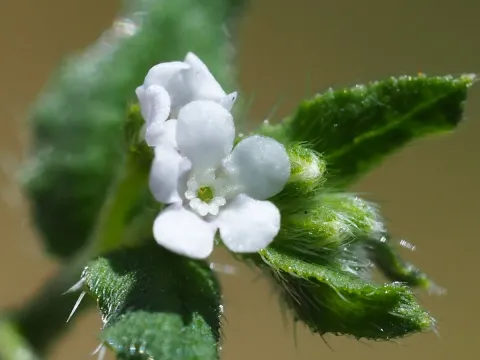
Houndstongue
Cynoglossum diffusum
Houndstongue (lat. Cynoglossum diffusum) belongs to the Boraginaceae family. It is typically a biennial or perennial herbaceous plant recognized for its specific chemical profile, making it a subject of interest in specialized herbal agriculture.
What the section contains
Houndstongue
The optimal sowing period begins in early spring when the soil temperature consistently reaches 8–10 degrees Celsius. Seeds are sown at a depth of 1–2 centimeters, ensuring they have sufficient soil moisture to break dormancy and establish a primary root system.
For regions with harsh winters, sowing in late autumn can be beneficial as it allows for natural stratification of the seeds. This practice often results in more robust and vigorous seedlings as soon as the weather permits growth in the following spring.
Seedbed preparation requires a fine, weed-free tilth. It is advisable to use row spacing of approximately 45–60 centimeters, which allows for mechanical weed control and ensures adequate airflow throughout the canopy as the plants develop their foliage.
Germination usually takes about two to three weeks under favorable conditions. During the initial growth stage, maintaining a weed-free environment is critical, as young plants lack the competitive vigor to thrive against aggressive weed species.
This crop thrives in sunny, well-exposed locations. Exposure to direct sunlight is essential for the accumulation of active compounds and for ensuring that the plant develops a sturdy structure capable of producing flowers and seeds.
The soil should be light, well-draining, and rich in organic matter. Loamy or sandy-loam soils are ideal, as they prevent waterlogging, which the plant is highly sensitive to, especially during its dormant or early vegetative phases.
While the plant is relatively drought-tolerant once established, supplemental irrigation is recommended during prolonged dry spells to maximize biomass production. Consistent moisture levels during the growth period significantly enhance the quality of the harvested parts.
Soil pH should ideally range from neutral to slightly alkaline. Before planting, it is recommended to perform soil analysis to ensure the presence of basic nutrients and to adjust fertility levels according to the specific needs of the crop cycle.
Strategic fertilization, focusing on balanced nutrient supply rather than excessive nitrogen, helps maintain plant health. Nitrogen-rich fertilizers can lead to excessive vegetative growth at the expense of root development and overall plant resilience.
Fungal pathogens such as powdery mildew represent the primary disease threat, particularly in damp climates or when planting density is too high. Proper spacing and airflow management are the most effective preventive measures against such infections.
Common insect pests include aphids and various plant bugs that target the succulent new growth and flower buds. These pests can cause leaf curling and stunted development, requiring early detection and potential intervention with biological controls.
Soil-dwelling larvae, such as wireworms, can damage the root structures, especially in new fields. Preventive soil management and avoiding planting on land previously infested with these pests help to safeguard the crop from root-related damage.
Viral infections can be transmitted by insect vectors, leading to mosaic patterns on the foliage and overall loss of vigor. Strict sanitation protocols, including the immediate removal of symptomatic plants, are necessary to prevent widespread outbreaks.
An integrated pest management (IPM) approach is highly recommended. By monitoring the population levels of pests and focusing on cultural controls such as crop rotation and balanced nutrient management, farmers can ensure healthy harvests.