
Molopospermum
Molopospemum
Molopospermum, represented by the species Molopospermum peloponnesiacum, is a robust herbaceous perennial belonging to the Apiaceae family. It is native to the mountain regions of Southern Europe, specifically flourishing in the Pyrenees and the Alps at significant altitudes.
What the section contains
Molopospermum
The plant thrives in well-drained, lime-rich soils with a good humus content. It is well-adapted to cooler climates and is noted for its ability to survive harsh winter conditions, provided the soil remains well-drained to prevent root freezing and saturation.
Optimal growth conditions involve semi-shaded or sunny exposures where the plant can access consistent but not excessive moisture. High humidity is beneficial, but stagnant water around the root collar must be avoided at all costs to ensure long-term plant health.
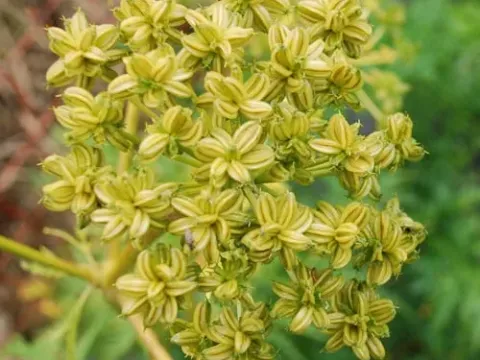
Botanically, Molopospermum is distinguished by its large, finely divided, fern-like foliage that creates a lush appearance throughout the growing season. The plant produces tall, branching stems that support large umbels of yellowish flowers, characteristic of the carrot family.
In terms of usage, the plant has potential applications in decorative gardening and traditional herbal medicine. Its aromatic properties and unique structure make it a focal point for botanical collections or naturalistic gardens seeking hardy, mountain-origin species.
Powdery mildew is a common issue for Molopospermum when grown in environments with poor air circulation or high humidity levels. Management involves thinning out surrounding vegetation to facilitate better airflow and monitoring for early signs of white fungal growth.
Aphids can frequently colonize the tender flower buds and young leaves during the early summer months. Using insecticidal soaps or neem oil is generally effective in controlling these outbreaks without damaging the delicate structure of the umbels.
Root rot remains the most critical threat, particularly in heavy clay soils that do not drain effectively during the rainy season. Amending the soil with grit or sand is essential for creating the well-draining environment that this mountain plant requires.
Leaf-chewing insects can occasionally mar the aesthetic value of the foliage, although they rarely cause permanent structural damage to established plants. Physical removal or the introduction of natural predators can mitigate this concern effectively.
Viral or bacterial leaf spots may occur if the plant is stressed by prolonged periods of drought followed by extreme moisture. Maintaining consistent hydration and avoiding overhead irrigation can significantly reduce the risk of pathogen transmission.