
Achudemia japonica
Achudemia japonica
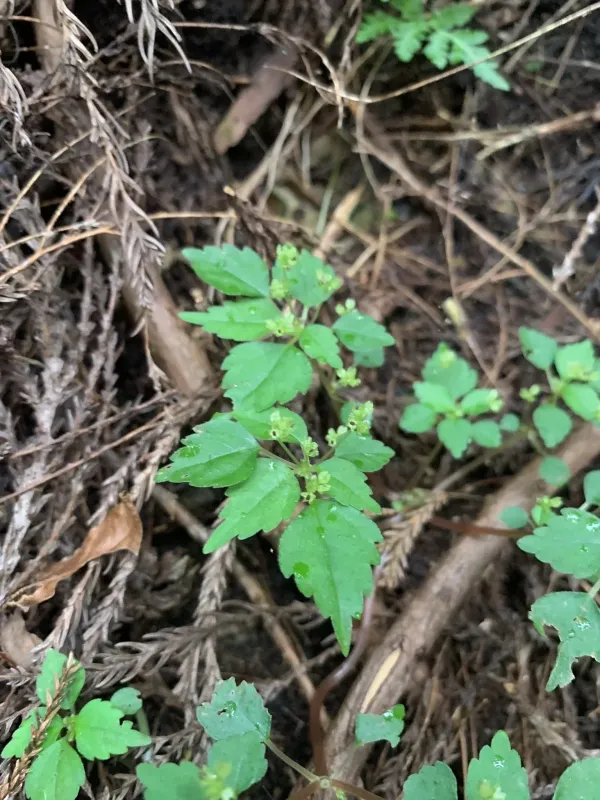
Description
Growing requirements
Achudemia japonica is a perennial herbaceous plant belonging to the Urticaceae family. It is taxonomically related to the Pilea genus, sharing distinct botanical traits characteristic of plants found in humid, shaded forest environments.
The native range of this species encompasses regions of East Asia, primarily Japan and parts of China. It typically grows in moist, organic-rich soil in forested areas, where the canopy provides sufficient protection from intense solar radiation.
For successful cultivation, the plant requires a controlled environment with high ambient humidity and consistently moist, well-draining soil. It is highly sensitive to soil compaction, which can suffocate the root system and hinder development.
The ideal substrate should be light and aerated, composed of peat, leaf mold, and perlite. A neutral or slightly acidic pH level is preferred to ensure optimal nutrient absorption throughout the growing season.
Environmental management involves maintaining stable temperatures, ideally between 18°C and 24°C. Avoid placing the plants in areas with cold drafts or excessive dry air, as these conditions are detrimental to the foliage health.
Main diseases and pests
Spider mites are the most common pests affecting this culture, especially when indoor humidity levels drop below the threshold required for healthy growth.
Overwatering poses a significant threat, as it frequently leads to root rot pathogens. Ensuring that the drainage holes are clear and the substrate is not waterlogged is essential for long-term health.
Powdery mildew can manifest in environments with poor air circulation. Implementing fans or spacing plants properly significantly reduces the risk of fungal outbreaks in greenhouses.
Integrated pest management strategies should be adopted, utilizing biological controls or systemic pesticides only when necessary to treat specific infestations.
Consistent monitoring and proper sanitation of the planting area are critical. Removing fallen leaves and debris helps prevent the accumulation of pathogens that could lead to widespread plant loss.