
Spongomorpha aeruginosa
Spongomorpha aeruginosa
Description
Growing requirements
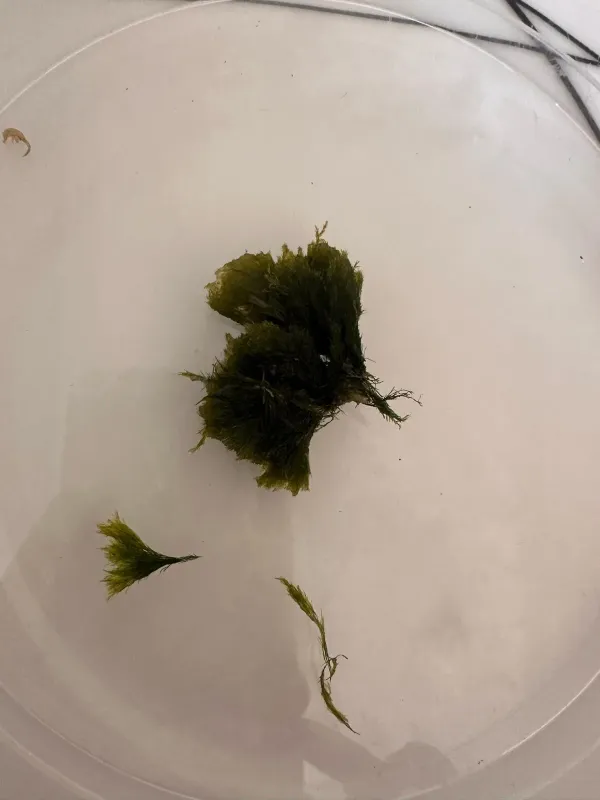
Spongomorpha aeruginosa is a multicellular green alga belonging to the Acrosiphoniaceae family. It is characterized by its filamentous, tufted thallus that often forms dense mats on rocky surfaces.
The native distribution of this species covers cold and temperate coastal waters of the Northern Hemisphere. It thrives in high-energy environments, such as exposed rocky shores, where water movement is constant.
Environmental requirements for the species include cool temperatures and high oxygenation levels. It is typically found in the sublittoral zone, where it remains submerged during low tide cycles.
Nutrient uptake occurs directly from the seawater. The plant requires clean water with adequate concentrations of nitrogen and phosphorus to maintain healthy growth and pigmentation.
Cultivation techniques involve mimicking the natural tidal movement and current flow. Controlled marine environments must ensure optimal light intensity to prevent photoinhibition while promoting photosynthesis.
Yield
The biomass yield of Spongomorpha aeruginosa in aquaculture settings is dictated by the efficiency of nutrient supply and water circulation systems. High-density cultivation requires precise environmental monitoring.
The economic value of this alga lies in its potential use as a source of bioactive compounds. It serves as a biological model for research into cell wall composition in marine macroalgae.
Productivity metrics are assessed by measuring dry matter accumulation per unit of surface area. In well-managed systems, this species demonstrates rapid regrowth potential.
Sustainable harvesting strategies involve selective cutting to allow the basal parts of the thallus to regenerate. This increases the total annual yield per site.
Integration into Integrated Multi-Trophic Aquaculture (IMTA) systems is a promising direction, allowing the alga to utilize nutrients produced by other farmed marine animals.
Main diseases and pests
The main threats to the health of this culture include fouling by competing algae and infestation by marine grazers. Small crustaceans and snails can significantly reduce biomass.
Pathogenic outbreaks, often associated with bacterial or fungal agents, pose a risk in high-density aquaculture systems. These pathogens usually target damaged thallus tissue.
Environmental stressors such as temperature spikes represent a significant threat, as the species is adapted to cold water environments. Global warming is a primary concern for its cultivation.
Water quality degradation, including eutrophication or pollution by heavy metals, can inhibit growth. Maintaining stable chemical parameters is essential for disease prevention.
Biological monitoring and water treatment protocols are implemented on modern farms to mitigate these risks and ensure the stability of the algal population.