
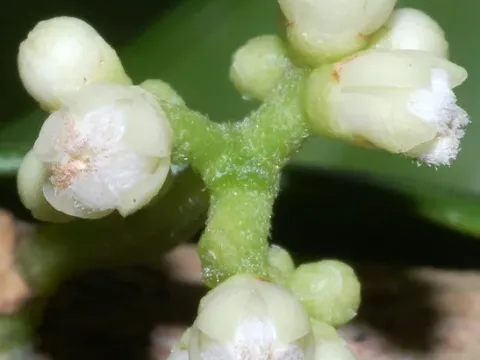
Stemonurus
Stemonurus
Stemonurus is a genus of woody plants belonging to the Stemonuraceae family. In their natural habitat, these trees and shrubs are found primarily in the tropical rainforests of Southeast Asia, including regions across Malaysia, Indonesia, and the Philippines.
What the section contains

Stemonurus
The plant thrives in a humid tropical climate characterized by minimal seasonal temperature fluctuations. Optimal growth requires high atmospheric humidity and a total absence of frost, as the species is highly sensitive to temperature drops below 15 degrees Celsius.
Soil requirements involve deep, organic-rich substrates with excellent drainage capabilities. Stemonurus does not tolerate waterlogging in the root zone, making the implementation of effective irrigation and drainage management systems vital for successful cultivation.
Naturally adapted to the shaded conditions of the forest understory, the plant may require partial shading when cultivated in plantations to prevent leaf scorch from intense direct sunlight.
Agronomic practices for this genus involve monitoring soil pH levels and applying organic fertilizers. In professional farming, Stemonurus is rarely grown as a monoculture, but rather integrated into diversified agroforestry systems to mimic its natural ecological niche.
The economic value of Stemonurus lies primarily in its fruit production, which serves as a traditional food source and a subject of interest for pharmacological research due to its secondary metabolite profile.
Harvesting is typically performed manually due to the delicate nature of the fruit exocarp and the structural characteristics of the canopy. The specific harvest windows depend on the distinct species within the Stemonurus genus and localized microclimatic conditions.