
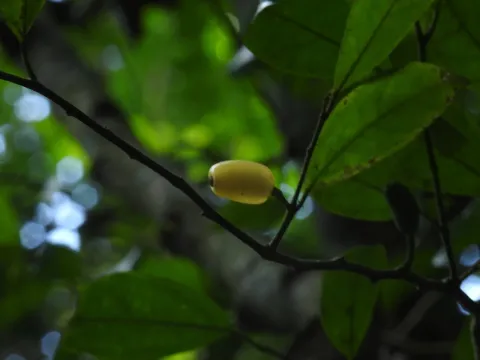
Gomphandra
Gomphandra
Gomphandra is a genus of flowering plants belonging to the family Stemonuraceae. These evergreen shrubs or small trees are primarily found in the tropical regions of Asia and Australia, thriving in the humid understory of evergreen forests.
What the section contains

Gomphandra
The botanical structure of Gomphandra includes simple, alternate leaves and small flowers arranged in cymose inflorescences. Their fruit, often a drupe, plays a crucial role in local forest biodiversity by providing nutrition for various avian species.
To cultivate Gomphandra successfully, one must replicate tropical environmental conditions. This includes maintaining consistently warm temperatures and avoiding sudden fluctuations, which can induce stress in the plants.
Soil requirements are strict: the plant needs well-draining, nutrient-rich substrate that mimics forest floor humus. Good drainage is essential to prevent root asphyxiation, as these plants are highly sensitive to waterlogging.
While not a traditional agricultural crop, some species have historical or local significance in folk medicine. Its cultivation today remains restricted to botanical collections or specialized tropical garden landscapes.
The primary threats to Gomphandra health include fungal pathogens that exploit high humidity and stagnant air. Root rot is a common issue caused by overwatering or insufficient drainage in the potting medium.
Common pests include scale insects and spider mites, which feed on the sap of young stems and foliage. These infestations can rapidly weaken the plant if not addressed during the early stages.
Effective management involves regular inspection of the leaf underside and pruning of any unhealthy branches to maintain airflow. Keeping the growing area clean and well-ventilated is the best preventive strategy.
Chemical treatments should be approached with caution due to the potential sensitivity of the foliage. Integrated pest management, focusing on physical removal and biological controls, is highly recommended.
Monitoring for signs of leaf chlorosis or wilting is vital, as these often serve as the first indicators of nutrient deficiency or soil-borne pathogens attacking the plant's vascular system.