
Stemonurus scorpioides
Stemonurus scorpioides
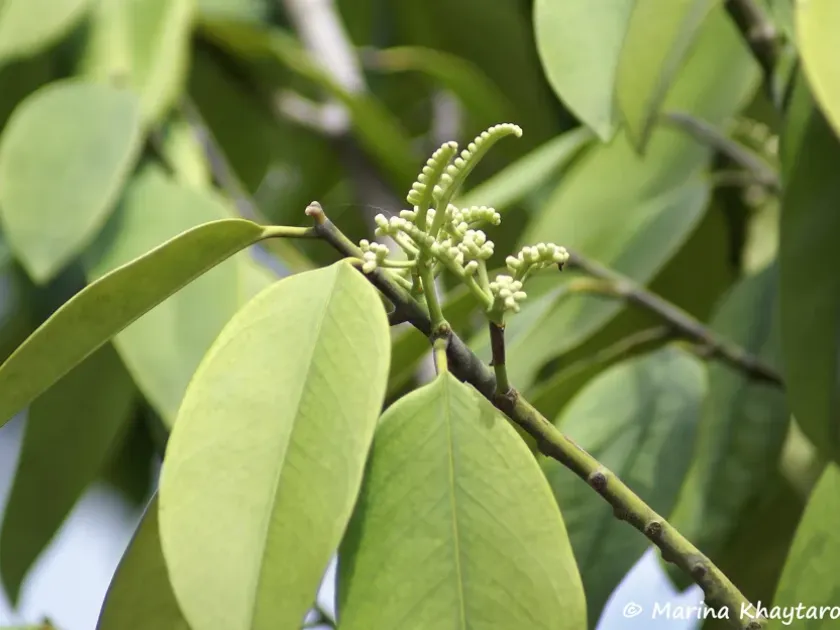
Description
Growing requirements
Stemonurus scorpioides is a perennial woody plant belonging to the Stemonuraceae family, indigenous to the lush tropical rainforests of Southeast Asia.
The plant thrives in environments characterized by high humidity levels and constant temperatures, making it sensitive to thermal fluctuations and cold weather conditions.
Cultivation requires specific microclimates that mimic the shaded understory of its native habitat, providing filtered sunlight rather than direct, harsh solar exposure.
The ideal growing medium consists of well-drained, nutrient-dense soils rich in organic matter, which must maintain consistent moisture without becoming waterlogged.
Agricultural management involves regular monitoring of soil moisture and the implementation of shading structures to protect the vegetation from environmental stress.
Yield
The agricultural potential of Stemonurus scorpioides remains primarily niche, with usage centered around regional ethnobotanical applications and specific local harvests.
Yield productivity is linked to the plant's health and the availability of essential nutrients, with fruit production occurring sporadically throughout the growing season.
Harvesting techniques are predominantly manual due to the tree's growth habit, which precludes large-scale mechanized harvesting of the fruit crops.
Future research aims to evaluate the chemical composition of the plant for potential industrial applications, including the development of natural health supplements.
Proper harvest management ensures that quality standards are met, as the plant's delicate fruit requires careful handling during the post-harvest period.
Main diseases and pests
Stemonurus scorpioides faces significant challenges from various tropical pests, including leaf-eating insects that can compromise plant structural integrity.
Pathogenic fungi thrive in high-humidity tropical conditions and represent a major threat to both the foliage and the root health of the cultivated specimens.
Common issues during production include root rot caused by stagnant water or inadequate soil aeration, which requires precise irrigation scheduling.
Management strategies involve keeping orchards well-ventilated to reduce the risk of mold and fungal outbreaks, which are frequent in dense planting zones.
Integrated pest management protocols, including the use of targeted biological controls, are essential for maintaining the health and longevity of the plantation.