
Sterculia colorata
Sterculia colorata
Description
Growing requirements
Sterculia colorata, taxonomically synonymous with Firmiana colorata, is a deciduous tree belonging to the Malvaceae family. Native to the tropical regions of Southeast Asia, it is highly regarded for both its timber and its ornamental value during the flowering season.
The tree originates from countries like India, Myanmar, and Sri Lanka, thriving in mixed deciduous forests and on hilly slopes. It is well-adapted to environments that experience distinct dry and wet seasons, which trigger its leaf-shedding cycle.
For successful cultivation, the species requires well-drained, fertile loamy soil. It is sensitive to waterlogging, so site selection should prioritize areas with adequate natural drainage to prevent root diseases.
The optimal temperature range for this species is between 22 and 30 degrees Celsius. It demands full sun exposure to maintain vigorous growth, especially during the early development stages, and requires consistent moisture until established.
Agricultural management involves deep plowing before planting and the application of balanced organic fertilizers to ensure nutrient availability. Maintaining clear spacing between trees promotes better air circulation and reduces the risk of pest infestations.
Main diseases and pests
Young plants are particularly vulnerable to defoliating insects and caterpillars, which can significantly stunt growth. Routine field inspections are necessary to identify and treat early outbreaks before they spread.
Fungal infections in the roots or bark can occur if soil drainage is compromised or if trees are subjected to excessive humidity. Preventive measures include ensuring good soil drainage and spacing trees to facilitate ventilation.
Weed competition is a major factor in the early years of development. If not controlled, invasive grasses can easily outcompete saplings for water and nutrients, leading to poor survival rates on new plantations.
Mechanical damage from harsh weather or improper handling can introduce pathogens into the trunk. Applying protective sealants to pruning wounds is a standard practice to mitigate the risk of decay.
Stem borers pose a specific threat to mature trees. Integrated pest management strategies, such as biological control and the removal of severely infested wood, are necessary to protect the economic value of the timber.
Harvesting
The primary economic use of this plant is for its wood, which is lightweight and easy to work with. It is frequently utilized in the manufacture of plywood, simple construction, and utility items in the wood processing industry.
Bark fibers are a valuable secondary resource, traditionally harvested for the production of ropes and cordage. This practice continues to hold importance for local craft industries in the regions where the tree is native.
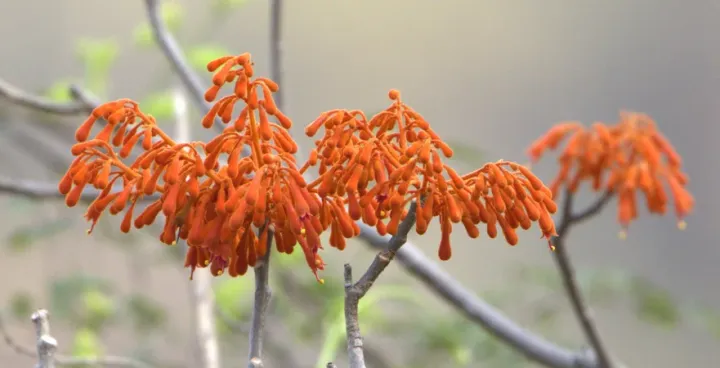
In landscaping, Sterculia colorata is favored for its striking red or orange flowers that bloom on bare branches. This makes it an ideal specimen tree for tropical botanical gardens and urban greening projects.
The seeds possess oil content that can be extracted for technical applications. Harvesting is conducted by hand once the pods mature, ensuring that seeds are collected under dry conditions to prevent mold growth during storage.
Sustainable management involves planned harvesting and replanting schedules to maintain population density. Proper pruning techniques are essential to improve timber quality and manage the tree's architectural development.