
Gomphandra tetrandra
Gomphandra tetrandra
Description
Growing requirements
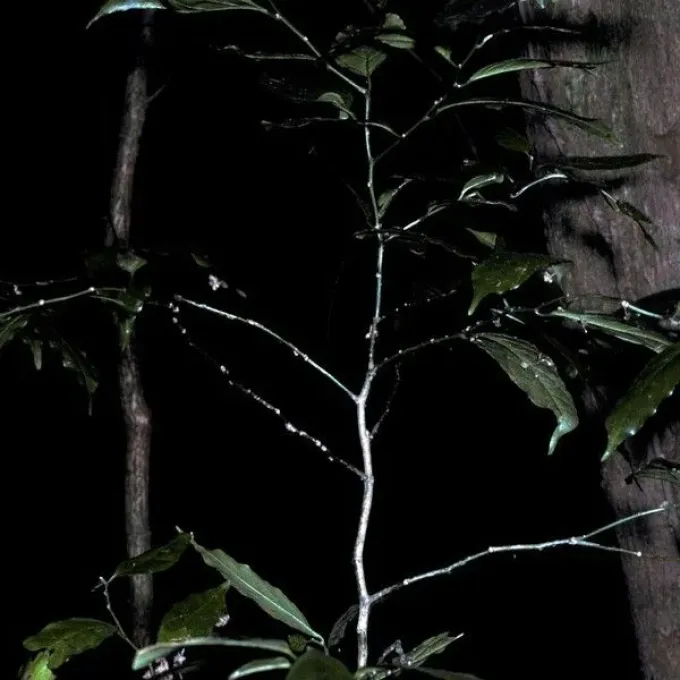
Gomphandra tetrandra is an evergreen shrub or small tree belonging to the Stemonuraceae family. It is native to the tropical and subtropical regions of Asia, where it thrives in humid forest habitats, particularly in parts of India and Sri Lanka.
The plant requires a specific tropical climate to reach its full potential, characterized by consistent temperatures and high humidity levels. It cannot withstand freezing temperatures, making it suitable primarily for controlled tropical environments or protected greenhouse cultivation.
Regarding soil requirements, Gomphandra tetrandra prefers well-drained, nutrient-rich soils with a high content of organic matter. Maintaining a balance between soil moisture and aeration is crucial for the health of its root system, as the plant is susceptible to root rot.
In terms of light, the plant performs best under partial shade or filtered light. Excessive direct sunlight, especially in early developmental stages, can scorch the foliage and hinder growth, suggesting that agricultural strategies should prioritize canopy-like protection.
Economic and agricultural utility is primarily focused on its pharmacological potential. Research into the phytochemical properties of Gomphandra tetrandra indicates that it contains various bioactive compounds, making it a subject of interest for sustainable medicinal plant farming.
Main diseases and pests
The primary threats to this crop include fungal infections of the roots caused by stagnant water or compacted soil conditions, which significantly limit plant vigor.
Pest management is also essential, as common greenhouse pests such as spider mites, aphids, and scale insects can easily infest the plant under suboptimal air humidity, potentially causing significant foliage damage.