
Solanum mammosum
Solanum mammosum L.
Description
Sowing dates
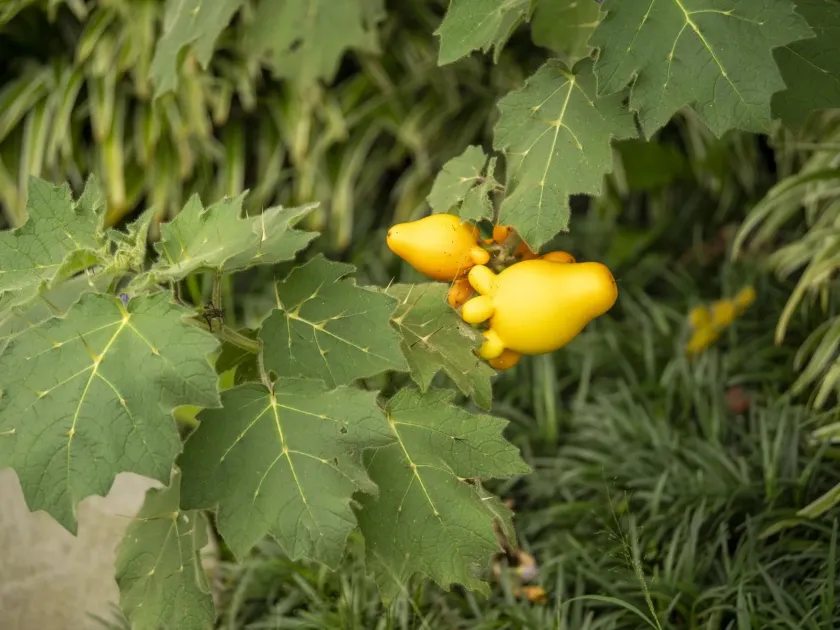
Solanum mammosum, popularly known as Nipplefruit or Cow's Udder, belongs to the Solanaceae family and is primarily cultivated for its unique ornamental fruits.
The plant is typically grown from seeds, which should be sown indoors in late winter or early spring to ensure a long enough growing season for fruit development.
Seeds require consistent warmth, ideally between 22 and 28 degrees Celsius, and a well-drained, sterile seed-starting mix to successfully germinate.
Seedlings need to be transplanted into individual pots once the first true leaves appear, ensuring they have enough space for robust root development.
Hardening off the plants before moving them outdoors is a critical step, as they are sensitive to cold shock and require gradual acclimation to outdoor conditions.
Growing requirements
This species thrives in full sun exposure and requires a location that receives at least six to eight hours of direct sunlight per day to fruit properly.
A fertile, well-draining soil with a pH level between 6.0 and 7.0 is ideal for supporting healthy growth and preventing issues associated with root saturation.
Consistent moisture is necessary throughout the growing season, though it is important to allow the soil surface to dry slightly between watering cycles.
Regular fertilization with a balanced, water-soluble fertilizer helps the plant maintain vigor, particularly during the active flowering and fruit-setting stages.
Proper plant spacing is essential to provide adequate air circulation, which reduces the humidity around the foliage and lowers the risk of fungal infections.
Main diseases and pests
Common pests include aphids, spider mites, and whiteflies, which frequently attack the foliage, especially when the plant is grown in warm or confined spaces.
Integrated pest management strategies, such as the use of horticultural oils or insecticidal soaps, are effective in controlling these pests safely.
Fungal diseases like late blight are a significant concern for Solanaceae, making dry, airy conditions and proper sanitation essential for plant health.
Root rot caused by overwatering is a common problem that can be avoided by ensuring the pots have adequate drainage holes and avoiding waterlogged soil.
Regular monitoring for leaf spots or wilting is recommended, as early detection allows for swift intervention and prevents the spread of disease.
Harvesting
The fruits of Solanum mammosum are strictly ornamental and contain toxic alkaloids; they should never be consumed by humans or pets under any circumstances.
Harvesting usually occurs in the late autumn when the fruits achieve their final, vibrant yellow color and reach a firm, leathery texture.
The stems with fruits are highly valued in floral design and arrangements due to their unusual shape and long shelf life once harvested.
In the landscape, the plant serves as a striking focal point, with the fruits remaining attached to the branches even after the leaves begin to drop.
To preserve the fruits for crafts, keep them in a cool, dry area away from direct sunlight to maintain their structural integrity and prevent rot.