
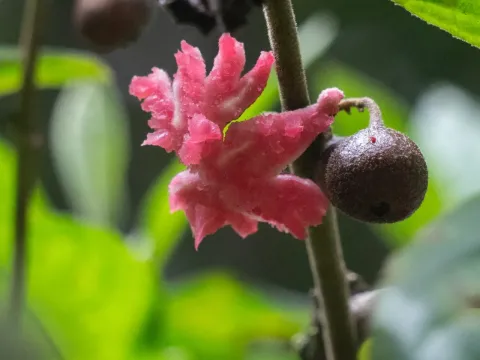
Siparuna
Siparuna
Siparuna is a genus of evergreen shrubs and small trees belonging to the Siparunaceae family. These plants are native to the tropical regions of Central and South America, where they typically flourish in the understory of dense rainforests.
What the section contains


Siparuna
Botanically, the plant is characterized by its opposite leaves and small, often inconspicuous flowers. A defining feature of the genus is the presence of essential oil glands, which release a pungent, citrus-like aroma when the leaves are crushed.
Successful cultivation of Siparuna requires tropical or subtropical conditions with high humidity levels. The plant thrives in well-drained, acidic forest soils rich in decaying organic matter, mimicking its natural ecological niche.
Environmental requirements include consistent warmth, as the species is highly susceptible to chilling injury. Shade management is essential, especially during the early stages of plant development, to prevent leaf scorch and ensure healthy vegetative growth.
The economic and practical significance of Siparuna lies in its phytochemical potential. It is widely recognized in ethnobotanical studies for its insecticidal properties and potential pharmaceutical applications derived from its volatile oil composition.