
Siparuna decipiens
Siparuna decipiens
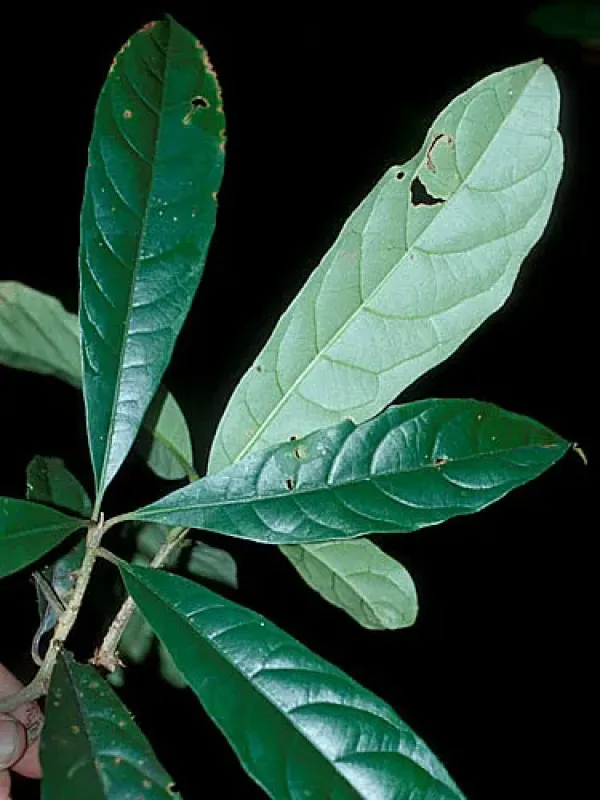
Description
Growing requirements
Siparuna decipiens is a distinct evergreen tree species belonging to the Siparunaceae family. It is native to the lush tropical rainforests of Central and South America, where it thrives in warm, humid microclimates with consistent rainfall throughout the year.
The climate requirements for this culture are strictly tropical. It necessitates a stable environment without significant temperature fluctuations, preferring temperatures ranging between 22 and 28 degrees Celsius to maintain healthy vegetative growth and physiological activity.
Soil cultivation requires well-drained, nutrient-rich substrates, ideally with a slightly acidic profile. The plant relies on stable moisture levels, yet it is susceptible to root rot if the growing medium remains waterlogged for extended periods, necessitating careful irrigation management.
Botanically, the species is defined by its glandular leaves, which contain complex aromatic oils. These compounds serve as a natural defense mechanism for the plant and offer significant industrial potential due to their distinct chemical properties and scent profiles.
Economic and agricultural utility of Siparuna decipiens revolves around its bioactive compounds. It is increasingly studied for its roles in integrated pest management, as the aromatic leaves can serve as botanical repellents in larger agricultural systems.
Main diseases and pests
The primary health threats to this plant are fungal pathogens related to humidity-induced stress, such as various leaf spots and root infections. Maintaining adequate ventilation in plantation blocks is a crucial management strategy to prevent the spread of these pathogens.
Common arthropod pests like scale insects and spider mites may impact foliage health under dry conditions or improper nursery management. Integrated biological control methods are highly recommended to preserve the integrity of the aromatic compounds present in the leaves.