
Siparuna guianensis
Siparuna guianensis
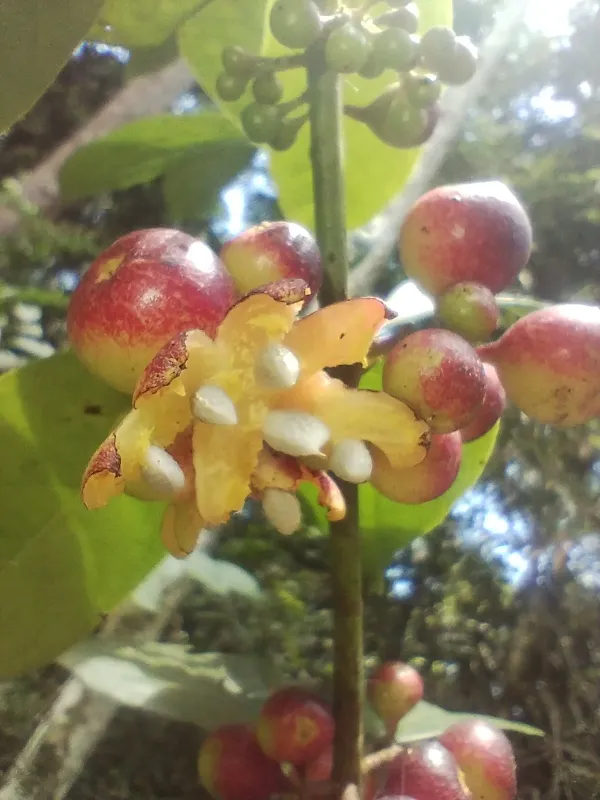
Description
Growing requirements
Siparuna guianensis is a notable shrubby plant belonging to the Siparunaceae family, native to the tropical forests of Central and South America. It is recognized for its aromatic leaves and significant ethnobotanical value.
The crop thrives in tropical climates characterized by high humidity and consistent annual temperatures. Ideal soil conditions include nutrient-rich, well-draining loams that mirror the floor of a tropical rainforest.
As a shade-tolerant species, Siparuna performs best under canopy cover or artificial shading screens. Avoiding direct, intense solar radiation is critical to maintaining leaf health and preventing dehydration of the plant tissue.
Proper agronomic practices include maintaining constant soil moisture and avoiding waterlogging, which is detrimental to the plant's root health. Careful monitoring of the surrounding humidity levels is essential during the dry season.
Cultivation involves propagation through seeds or semi-hardwood cuttings. Given its slow growth cycle, it requires adequate spacing and minimal mechanical interference during the early developmental stages to ensure healthy maturation.
Main diseases and pests
The primary threats to Siparuna guianensis are fungal infections caused by poor ventilation and excessive moisture. Powdery mildew and leaf spot diseases are common occurrences in poorly managed agricultural settings.
Pest issues include various sap-sucking insects and leaf-eating beetles that thrive in the lush environment favored by the plant. These pests can significantly reduce the biomass available for medicinal extraction.
Management strategies focus on maintaining air circulation through strategic pruning and ensuring the spacing between plants is sufficient. This reduces the humidity trapped within the foliage canopy, discouraging fungal growth.
Integrated pest management (IPM) is recommended, utilizing neem-based oils or insecticidal soaps to keep pest populations in check. Chemical interventions should be avoided due to the plant's sensitivity and potential for chemical residues.
Regular soil health assessment is crucial for preventing nutrient imbalances. A robust root system maintained through proper organic fertilization provides the plant with the resilience needed to resist common local pathogens.