
Siparuna glabrescens
Siparuna glabrescens
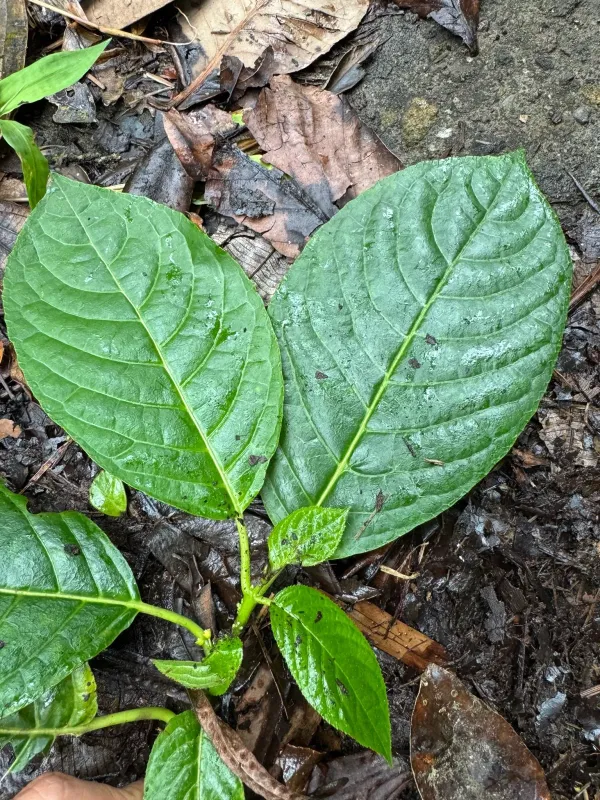
Description
Sowing dates
Siparuna glabrescens is typically propagated through seeds or stem cuttings within controlled nursery environments to ensure high germination rates.
Seeds must be sown immediately after collection, as their viability decreases rapidly if they are allowed to dry out or are exposed to improper storage conditions.
Optimal germination occurs when the seeds are placed in a porous, moisture-retentive substrate kept at consistently warm temperatures within a greenhouse setting.
Seedlings should be carefully transplanted into individual pots once they develop their first set of true leaves, allowing for strong root development before transplanting.
Outdoor planting is restricted to tropical or subtropical regions where frost is nonexistent and temperatures remain stable throughout the active growth period.
Growing requirements
Belonging to the Siparunaceae family, this plant thrives as an evergreen shrub, naturally adapted to the understory conditions of moist tropical forests.
The crop requires fertile, well-draining soil rich in organic matter to support its rapid vegetative growth while preventing waterlogged conditions that lead to root decay.
Temperature management is crucial, with an ideal range between 22 and 28 degrees Celsius, ensuring that the plant remains in a state of active growth.
High humidity levels are essential for the health of the foliage, and the plant benefits from partial shade, mimicking the natural canopy environment of its habitat.
Regular irrigation is necessary to maintain consistent soil moisture, which directly influences the plant's ability to synthesize and store its characteristic aromatic oils.
Yield
Productivity is largely dependent on systematic pruning, which promotes bushiness and increases the surface area for leaf harvesting throughout the season.
The primary economic use of the plant involves harvesting its leaves, which contain essential oils and bioactive compounds highly valued in ethnobotanical applications.
Well-maintained plantations, supported by organic nutrient amendments, can provide a steady harvest of biomass, contributing to sustainable production cycles.
Proper crown management not only optimizes the yield per plant but also facilitates easier manual harvesting, reducing labor costs and plant stress.
Yield stability is achieved through consistent agronomic care, ensuring the plant has enough energy to regenerate foliage after each harvesting cycle.
Main diseases and pests
The plant can be susceptible to various fungal pathogens that thrive in high-humidity environments if airflow within the plantation is not properly managed.
Common pests include spider mites and leaf-feeding insects, which can cause significant damage to the plant's foliage if environmental stressors are present.
Integrated pest management strategies are recommended to keep damage levels low without the use of harsh synthetic chemicals that could affect oil quality.
Routine inspection of the underleaf surfaces is critical for early detection of pest infestations, allowing for immediate intervention before the problem spreads.
Proper spacing between plants is a vital preventative measure that improves air circulation and lowers the risk of disease outbreaks in high-density plantings.
Harvesting
Harvesting is performed manually during the early morning hours, which is the optimal time for capturing the highest concentration of aromatic volatile oils.
Post-harvest processing involves sorting the leaves and placing them in a shaded, well-ventilated area for controlled drying to prevent loss of potency.
Temperature control during the drying process is essential to ensure that the delicate chemical components of the plant are preserved rather than evaporated.
Selective pruning during harvesting encourages the development of new, healthy shoots, which ensures the longevity and productivity of the shrub.
Final product quality relies on secure, airtight storage in cool conditions, which protects the harvested material from oxidation and moisture degradation.