
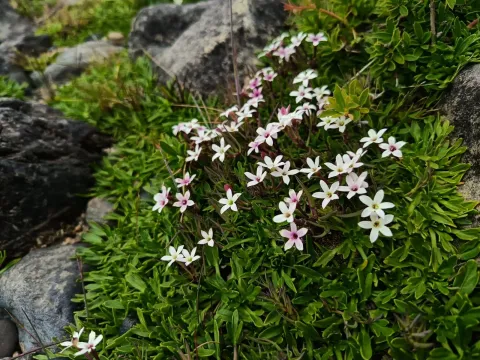
Arjona
Arjona
Arjona is a genus of perennial herbaceous plants belonging to the Santalaceae family. These plants are recognized in botanical literature as root hemiparasites, meaning they derive a portion of their nutrients and water by attaching to the root systems of suitable host plants.
What the section contains


Arjona
The native distribution of Arjona is primarily located in South America, particularly within the challenging environments of Patagonia and the high-altitude Andean regions. They have evolved to thrive in nutrient-poor, rocky, and well-drained soils where competition for resources has driven their parasitic adaptation.
Successful management of these plants depends entirely on the presence of a compatible host. In an agricultural or experimental setting, it is essential to establish a stable relationship between the Arjona specimens and the host plant before attempting any further cultivation steps or growth monitoring.
Soil requirements are strict regarding drainage. Arjona species are highly intolerant of waterlogged conditions. The growing medium must mimic high-altitude environments, utilizing porous substrates like coarse sand or fine gravel, which ensures optimal aeration and prevents root asphyxiation.
These plants are well-adapted to harsh climates characterized by high wind exposure and significant diurnal temperature variations. They require high levels of solar radiation to sustain their metabolic activities, which is why they are rarely found in shaded or sheltered habitats within their natural range.
The primary threats to Arjona involve fungal pathogens that thrive in environments with poor air circulation or excessive moisture. Root rot is a common occurrence if the moisture levels in the substrate exceed the tolerance threshold, leading to the rapid decay of the delicate haustorial connections.
Soil-borne pests such as nematodes pose a significant indirect threat to Arjona. By attacking the root system of the host plant, these parasites disrupt the nutrient supply chain upon which Arjona depends, eventually causing the weakening or death of the hemiparasite.
Chemical stress from excessive fertilization can be detrimental. Because Arjona is specialized to survive in low-nutrient environments, artificial nutrient influxes can alter the rhizosphere chemistry, potentially inhibiting the formation of new haustoria and disrupting the established symbiosis.
Preventative measures center on strict irrigation management. Utilizing precise water application methods that keep the root zone slightly moist rather than saturated is the most effective way to protect the plant and its host from infection.
Regular inspection of the host plant's vigor is the best diagnostic tool. Any signs of nutrient deficiency, stunted growth, or wilting in the host must be addressed immediately to ensure the long-term survival and stability of the Arjona colony attached to it.