
Arjona tuberosa
Arjona tuberosa
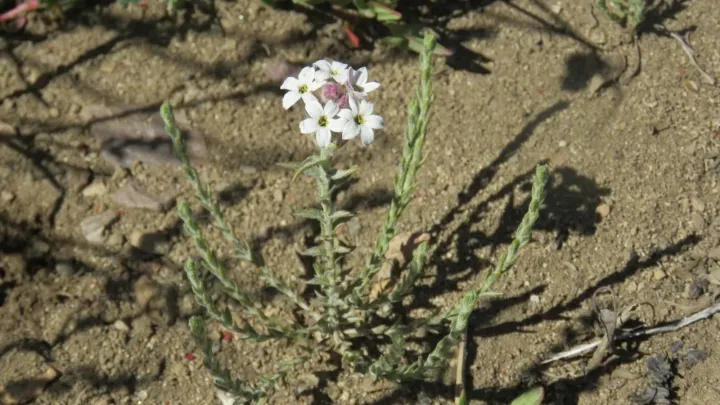
Description
Growing requirements
Arjona tuberosa is a perennial herbaceous plant belonging to the Santalaceae family. It is a highly specialized species known for its hemiparasitic nature, which allows it to thrive in nutrient-poor environments by tapping into the root systems of nearby host plants.
The species is native to the rugged landscapes of South America, particularly within the Patagonian region. Its habitat is characterized by arid steppes, high-altitude plateaus, and sandy plains, where the plant has evolved to survive under harsh ecological conditions.
Botanically, Arjona tuberosa is recognized by its tuberous underground structures that store water and vital nutrients. The aerial parts consist of low-growing stems and leaves that are adapted to withstand high winds and thermal stress throughout the growing season.
The primary soil requirement is excellent drainage, as the tubers are highly susceptible to root rot if water stagnation occurs. The species thrives in skeletal, sandy, or rocky soils that mimic the natural geology of its native Patagonian environment.
A crucial factor in its life cycle is the availability of suitable host plants to establish haustorial connections. Successful development of this plant requires a symbiotic-like interaction with local vegetation, making its cultivation complex and strictly dependent on the existing ecological context.