
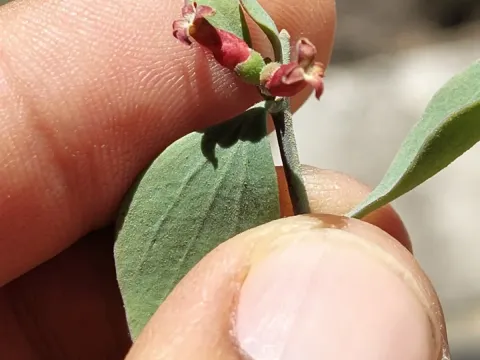
Schoepfia
Schoepfia
Schoepfia is a genus of evergreen shrubs and small trees belonging to the Olacaceae family. These plants are scientifically noted for their hemi-parasitic nature, which allows them to extract water and nutrients from the root systems of surrounding host plants.
What the section contains

Schoepfia
The native distribution of the genus encompasses the tropical and subtropical zones of the Americas and Asia. These regions provide the necessary environmental stability, high humidity, and diverse vegetation needed to support the specific growth habits of these shrubs.
Climatic requirements for Schoepfia include consistently warm temperatures, as they are not frost-tolerant. In a controlled environment, such as a greenhouse, maintaining a humid microclimate is essential for preserving the plant's health and vigor.
The soil should be well-draining, rich in organic matter, and slightly acidic to neutral in pH. A key agricultural challenge is providing a symbiotic host plant that allows the Schoepfia to establish its haustoria, which are specialized parasitic roots.
Historically, certain species within the genus have been used in local folk medicine, although they are not currently cultivated as large-scale commercial crops. Their role remains primarily ecological and ornamental within botanical collections.
Major threats to Schoepfia in the wild are linked to habitat destruction and the loss of biodiversity. Since these plants rely on host species, the removal of native trees leads to a decline in their own populations.
In cultivation, common pests such as scale insects and spider mites can infest the foliage, especially in dry, enclosed environments. Regular monitoring and physical removal are recommended as primary control measures.
Root rot caused by fungal pathogens is a significant threat when soil drainage is inadequate. Overwatering is the most frequent cause, stressing the plant's root system and making it susceptible to secondary infections.
Pathogen management involves proper sanitation of the growing environment and avoiding high humidity stagnation. Adequate air circulation is crucial to prevent the development of powdery mildew and other airborne fungi.
Because they are sensitive to environmental chemical changes, the application of strong synthetic fertilizers should be avoided. A balanced, organic nutrient supply is preferred to maintain the plant's natural balance and resistance to disease.