
Lizard's tail
Saururus chinensis (Lour.) Baill.
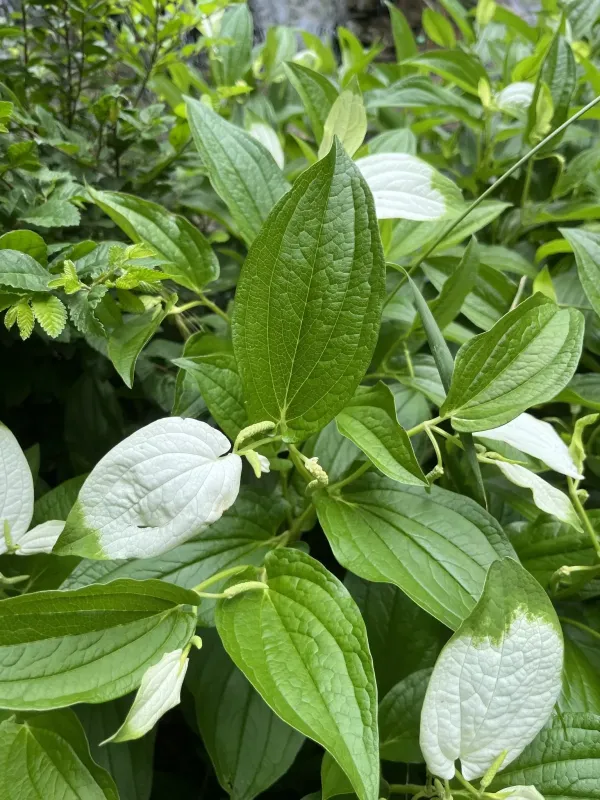
Description
Sowing dates
Propagation of Saururus chinensis is primarily achieved through vegetative division of the rootstocks, which ensures genetic consistency and rapid establishment of the crop.
The ideal planting window is during early spring as the plant emerges from dormancy, or in early autumn before the onset of extreme temperatures.
When starting from seeds, use a moist, well-structured substrate, ensuring the surface remains hydrated at all times to promote uniform germination.
Rootstocks should be planted at a depth of approximately 5 to 10 centimeters, allowing for adequate anchor and protection against seasonal temperature shifts.
Considering the invasive growth habit of the species, maintain proper spacing during plantation establishment to allow for optimal development of each individual plant.
Growing requirements
Saururus chinensis belongs to the Saururaceae family and is recognized as a robust aquatic or semi-aquatic perennial plant adapted to wetland environments.
The plant thrives in full sun to partial shade, provided that the soil remains consistently waterlogged or in shallow water conditions up to 15 centimeters deep.
Native to East Asia, it grows naturally along riverbanks, marshes, and ditches, indicating a strong requirement for high moisture levels and nutrient-rich soil.
Soil composition should ideally be humus-rich, though the plant is highly adaptable to various heavy silt or clay substrates with a neutral pH level.
In colder regions, the rootstocks must be positioned deep enough in the water or provided with organic mulch to prevent freezing damage during the winter months.
Yield
The agricultural yield is measured by the biomass production of the aerial stems and the harvest volume of the rhizomes for medicinal or commercial applications.
Under optimal growing conditions with sufficient hydration, the crop can produce multiple harvests of green mass throughout a single growing season.
Productivity is highly correlated with the availability of organic nitrogen and phosphorus in the aquatic environment, which promotes rapid shoot development.
Monitoring the plant density is crucial, as excessive overcrowding can lead to decreased vigor and lower quality of the harvested botanical material.
Strategic management of the water level throughout the growing cycle is the most significant factor in maximizing the overall yield of the plantation.
Main diseases and pests
Saururus chinensis is naturally resilient to many common pests, though moist environments can occasionally attract mollusks such as snails and slugs.
Root rot, caused by various fungal pathogens, is the primary threat, typically arising only when water circulation is poor or temperatures remain sub-optimal.
Prevention involves maintaining high standards of hygiene within the crop area, including the removal of decaying organic material that could harbor pests.
In the event of an infestation, integrated pest management practices should be employed to minimize the use of harsh chemicals, ensuring the quality of the raw material.
Good air circulation around the plantation is an essential cultural practice to discourage the development of mold and mildews in dense foliage.
Harvesting
Aerial shoots should be harvested during the peak flowering period, when the concentration of essential pharmacological compounds is at its highest.
Rhizomes are harvested at the end of the growth season after the foliage has begun to fade, ensuring all nutrients have translocated to the root system.
Post-harvest cleaning is vital; the material must be washed thoroughly to remove all soil residues before processing to ensure product purity.
Drying the collected material requires a controlled environment with temperatures not exceeding 45 degrees Celsius to preserve the delicate active ingredients.
Storage should be conducted in airtight, cool, and dark containers to prevent degradation and maintain the efficacy of the botanical products for export or market.