
Pradosia lactescens
Pradosia lactescens
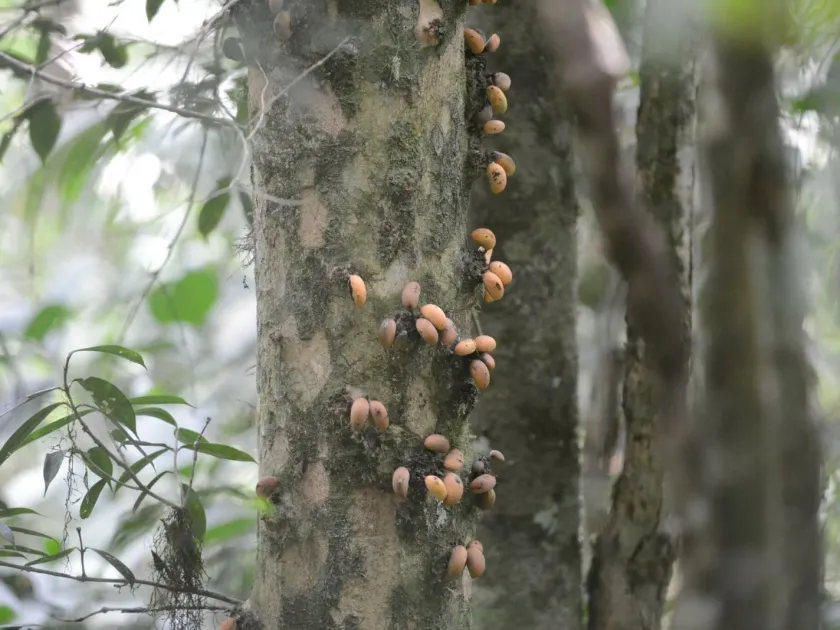
Description
Growing requirements
Pradosia lactescens is a perennial tree species belonging to the Sapotaceae family. It is native to the lush tropical rainforests of South America, with a primary concentration in Brazil, where it thrives in high humidity and warm temperatures.
The tree requires a tropical climate to reach its full development potential. It cannot tolerate cold weather or frost, making it strictly a crop for equatorial or near-equatorial regions with consistent rainfall patterns throughout the year.
Regarding soil conditions, the plant prefers deep, well-drained, and nutrient-rich loamy soils. While it appreciates moisture, it is sensitive to waterlogging, which can lead to root decay in the long term, thus requiring a well-structured soil profile.
Botanically, it is recognized by its dense canopy and the presence of milky latex, which circulates within the plant tissues. This feature is a common evolutionary adaptation among many Sapotaceae members, providing protection against certain herbivores.
The fruit of Pradosia lactescens is the main agricultural output. It is highly valued for its texture and flavor, often consumed locally. Beyond fruit production, the species contributes to the structural diversity of tropical agroforestry systems.
Main diseases and pests
The most significant threats to Pradosia lactescens include various sap-sucking insects and beetles that infest the bark and leaves, causing physiological stress to the tree during the dry season.
Fungal pathogens represent a major concern, particularly when environmental conditions include high humidity and low airflow within the foliage. These fungi can manifest as leaf spots or branch dieback.
Competition from fast-growing invasive weeds is a primary concern for young saplings, as they can deprive the trees of vital soil nutrients and sunlight during the critical stages of growth.
Furthermore, human-induced habitat loss and fragmented forest cover significantly threaten the natural regeneration of the species, as it relies on specific pollinators and seed dispersers.
Agricultural management should focus on integrated pest management (IPM) practices, emphasizing biological controls to keep harmful insect populations below the economic injury level.