
Leionema nudum
Leionema nudum
Description
Growing requirements
Leionema nudum is an evergreen shrub belonging to the Rutaceae family. Native to New Zealand, specifically the northern parts of the North Island, it is a hardy plant that thrives in native forest understories and damp shrubby habitats, reflecting its preference for stable, humid environments.
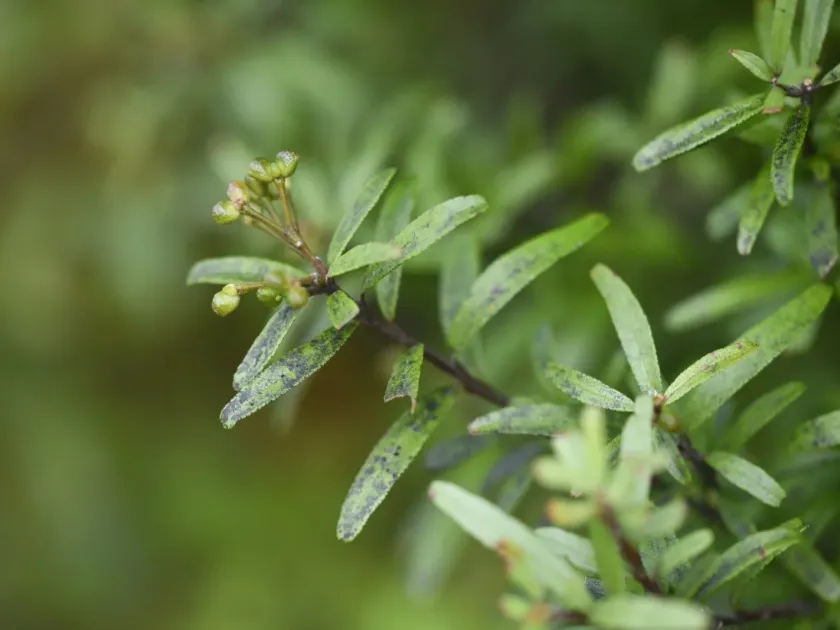
The plant exhibits unique botanical features, including aromatic leathery leaves that are characteristic of its family. It grows best in environments that mimic its natural habitat, requiring protection from extreme heat and drying winds, which can easily damage its foliage.
Soil requirements for Leionema nudum are quite specific; it demands well-draining, slightly acidic to neutral substrates. Waterlogged conditions are detrimental to the root system, making coarse, aerated planting media essential for both container and garden cultivation.
Cultivation practices involve maintaining a consistent moisture level. While the plant appreciates regular watering, it is vital to ensure that the water drains away quickly. Mulching around the base can help maintain consistent soil moisture while protecting roots from temperature fluctuations.
In terms of agricultural and horticultural use, Leionema nudum is primarily grown as an ornamental specimen. Its structural evergreen form makes it an excellent choice for cool-climate gardens where it provides year-round interest and texture to diverse landscaping projects.
Main diseases and pests
The primary threats to Leionema nudum are related to fungal infections resulting from poor drainage. Root rot is a significant concern that can rapidly compromise the plant's health, often caused by overwatering or poorly structured, heavy clay soils.
Insect pests, such as scale insects and spider mites, are common nuisances, particularly in sheltered or indoor environments. These pests feed on the plant's sap, potentially stunting growth and creating entry points for secondary infections or soot mold.
Effective management includes regular monitoring for signs of infestation or leaf discoloration. Applying horticultural soaps or systemic insecticides can control pest outbreaks if detected early, preventing the spread across the entire foliage structure.
To avoid fungal issues, gardeners should prioritize adequate air circulation around the shrub. Pruning should be performed with sterilized tools to prevent the introduction of pathogens, especially when humidity levels remain high for extended periods.
Nutritional deficiencies may occasionally manifest as leaf chlorosis, weakening the plant's overall defense mechanisms. Using balanced, low-phosphorus fertilizers during the active growing season is recommended to ensure robust health and improved natural resistance to common threats.