
Leionema coxii
Leionema coxii
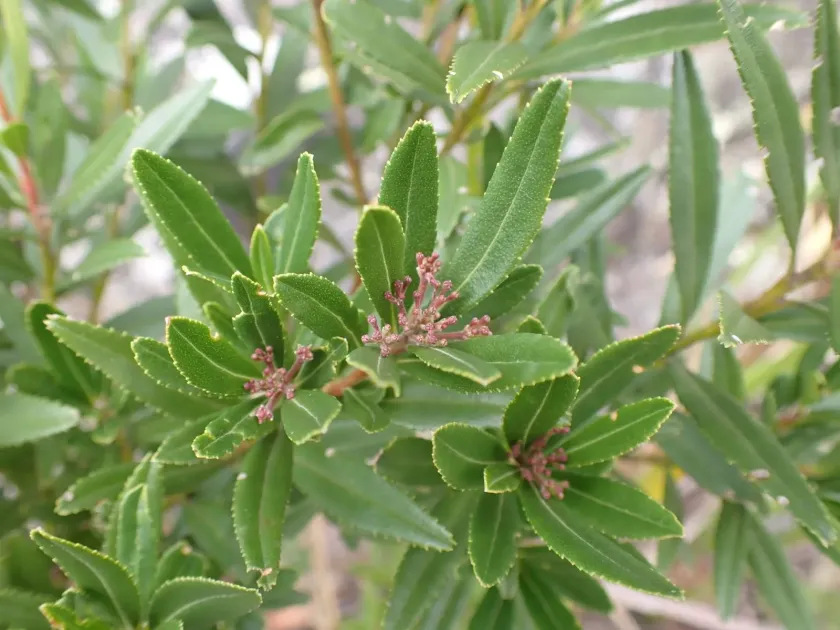
Description
Growing requirements
Leionema coxii is a distinct evergreen shrub belonging to the Rutaceae family. Native to specific regions in Australia, this plant is valued for its unique foliage and structural appearance in specialized botanical collections.
The culture thrives in cool, temperate climates, requiring partial shade to protect its leaves from harsh direct sunlight. Its natural habitat includes understory environments where humidity and light levels are moderated by the canopy.
Soil requirements are quite specific: it demands a well-drained, acidic to neutral substrate with low phosphorus content. Growers should avoid heavy, waterlogged soils that inhibit oxygen exchange in the root zone.
In terms of agricultural techniques, irrigation management is paramount. The plant requires consistent moisture, but it is highly susceptible to root decay if the substrate remains saturated for extended periods.
Fertilization should be handled with extreme caution. As a member of the Rutaceae family, it is sensitive to high salt concentrations, making slow-release, low-potency fertilizers the preferred choice for maintaining vitality.
Main diseases and pests
Root rot is the most significant pathological threat to Leionema coxii, typically triggered by improper irrigation or poor soil structure. Once root systems are compromised, the plant often shows signs of wilting and necrosis.
Pests such as scale insects and spider mites are common in greenhouse environments. These pests feed on sap, weakening the shrub and causing foliage discoloration if left untreated for long durations.
Fungal diseases, including powdery mildew, may develop under conditions of poor air circulation and fluctuating temperatures. Ensuring good airflow is essential to preventing the spread of spores across the crop.
Nematode infestations can severely stunt the growth of young shrubs in outdoor field conditions. Soil testing and the use of healthy, disease-free nursery stock are the primary methods for preventing these outbreaks.
Effective management involves an integrated approach combining strict environmental control, regular monitoring for signs of stress, and the immediate isolation of infected plant material to protect the entire collection.