
Stenaria nigricans
Stenaria nigricans
Description
Growing requirements
Stenaria nigricans, commonly known as diamondflowers, is a perennial plant belonging to the Rubiaceae family. It is a resilient species frequently found in North American grasslands and open rocky habitats, known for its significant ecological adaptability.
The plant is native to the central and eastern regions of North America. Its natural habitat is characterized by well-drained, often rocky or sandy soils, where the plant thrives by forming deep, fibrous root systems that anchor it firmly in the ground.
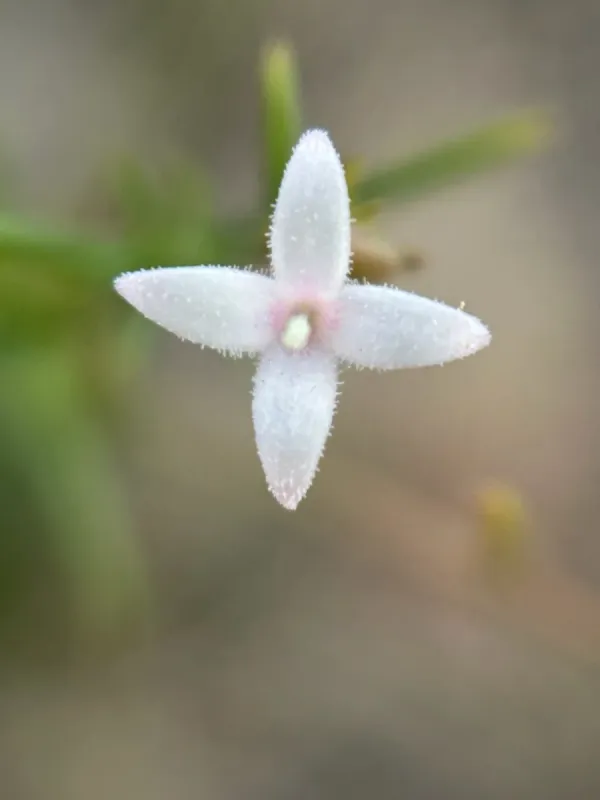
Botanically, Stenaria nigricans displays narrow, opposite leaves and small, elegant flowers that vary in color from white to pale purple. It is categorized by its ability to persist in harsh, sun-exposed environments, maintaining its structural integrity throughout the growing season.
Regarding climatic and soil requirements, this species prefers sites with ample sunlight and excellent drainage. It is highly resistant to drought once established, making it a reliable choice for areas with limited water availability or poor, nutrient-deficient soils.
In agricultural practice, Stenaria nigricans is utilized primarily for land restoration and soil erosion control. Due to its hardiness and perennial nature, it serves as an excellent groundcover in conservation projects aimed at preserving native biodiversity.
Main diseases and pests
The primary threats to this plant are soil-borne pathogens, particularly fungi that cause root rot during periods of excessive soil moisture or poor drainage. Ensuring site preparation with proper drainage is essential for plant health.
Pest threats include various leaf-sucking insects and aphids that may infest foliage during the early spring. Monitoring is recommended, though the plant is generally robust enough to recover from minor insect damage without extensive intervention.