
Yeddo hawthorn
Rhaphiolepis umbellata (Thunb.) Makino
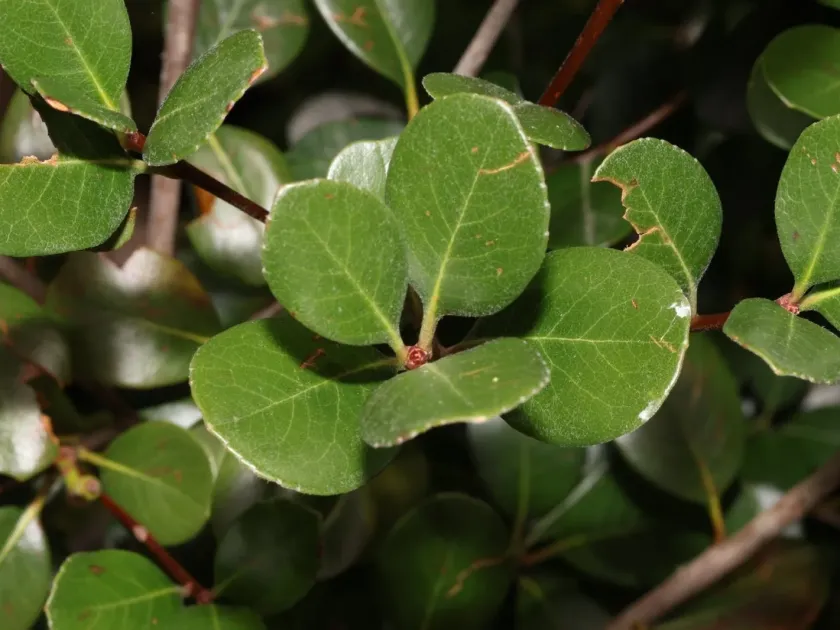
Description
Growing requirements
Yeddo hawthorn (Rhaphiolepis umbellata) is a perennial evergreen shrub belonging to the Rosaceae family. Native to the coastal regions of East Asia, it has become a popular ornamental plant in temperate climates.
The plant thrives in well-draining, nutrient-rich soils with a slightly acidic to neutral pH. It prefers sunny locations but exhibits good adaptability to partial shade, making it versatile for landscaping purposes.
Climate requirements include protection from harsh frost and desiccating winds. While it is reasonably hardy, in cooler regions, it should be situated in sheltered spots or grown in movable containers to survive winters.
Watering management is crucial during the active growing season. While established plants show some drought tolerance, regular watering during hot spells ensures vigorous growth and abundant floral displays.
Routine maintenance involves annual fertilization in early spring to support the canopy and flower production. Pruning should be carried out after the blooming cycle to maintain the desired structural shape.
Main diseases and pests
The main threats to the plant are fungal diseases, such as leaf spot, which are often triggered by excessive humidity. Providing sufficient spacing and air circulation is the best preventative strategy.
Pest issues commonly involve scale insects and mealybugs. These insects sap the vitality of the plant, often leading to yellowing leaves and reduced vigor if the infestation is left untreated.
Aphids can occasionally be a problem, particularly in protected environments like greenhouses. Early detection and the application of appropriate horticultural oils or soaps can effectively control these populations.
Root rot represents a significant risk if the soil becomes waterlogged. Ensuring that the planting site has excellent drainage is a fundamental aspect of successful long-term plant health.
Sanitation practices, such as removing fallen leaves and pruning away infected branches, are vital for disease control. Monitoring the plant's health regularly helps prevent large-scale outbreaks of common pests.