
Pourthiaea arguta
Pourthiaea arguta
Description
Growing requirements
Pourthiaea arguta is a deciduous shrub belonging to the Rosaceae family. It is native to the temperate forest regions of East Asia, where it thrives in natural understory environments.
The plant requires well-drained, fertile soil with a slightly acidic to neutral pH level. It performs best in locations that receive full sun for at least half the day, though it can tolerate partial light shade.
Cultivation of Pourthiaea arguta involves regular irrigation, especially during the dry summer months. It is essential to ensure that the soil remains moist but not waterlogged to prevent root damage.
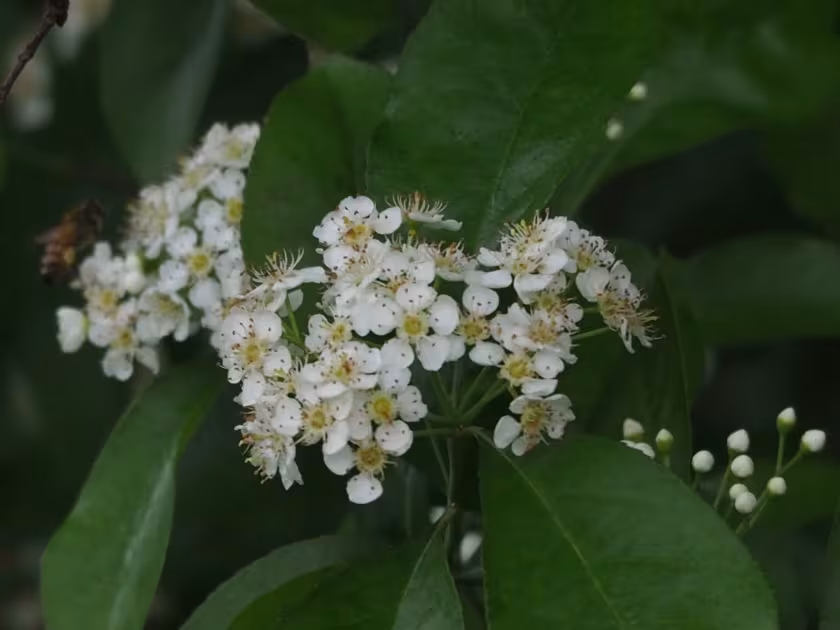
Botanically, the species is identified by its serrated leaves and attractive white flowers arranged in corymbs. The foliage typically turns vivid colors in the autumn, adding significant seasonal interest to the landscape.
Maintenance involves light pruning after the flowering period to maintain a dense, attractive crown structure and to stimulate the growth of new, vigorous stems for the following season.
Main diseases and pests
The plant is susceptible to common Rosaceae pests, including aphids and leaf-eating beetles. These insects can cause significant damage to the new growth if left unmanaged during the spring.
Fungal issues, such as powdery mildew, may occur if the plant is grown in high humidity without adequate air circulation. This is especially true for plants located in crowded garden beds.
Effective management includes maintaining good garden hygiene, such as removing fallen leaves at the end of the season to reduce overwintering sites for fungal spores.
Regular monitoring of the undersides of the leaves is recommended to detect any early signs of mite infestation, which can cause leaf yellowing and premature leaf drop.
Using appropriate organic pesticides or systemic fungicides can protect the shrub effectively, provided that applications are timed correctly according to the pest life cycles.